Uncovering Coordination Tactics Between VIP Structures and Payout Mechanisms in Portable Casino and Betting Applications
Written by Paul Fischer · May 28, 2026
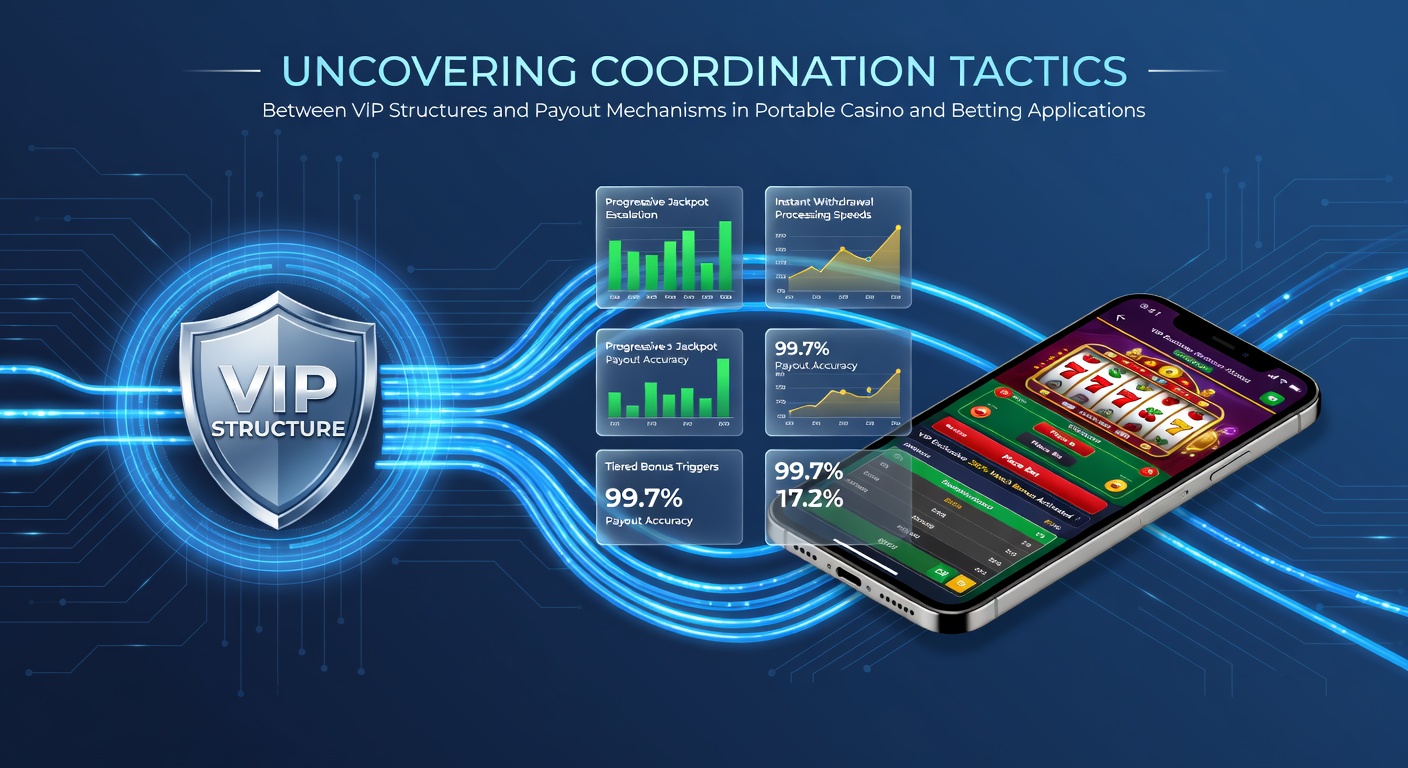
Uncovering Coordination Tactics Between VIP Structures and Payout Mechanisms in Portable Casino and Betting Applications
Portable casino and betting applications have developed intricate systems that align VIP membership tiers with payout processing protocols, and observers note these alignments rely on data analytics platforms that track user activity across slots, table games, and sports wagers. Research from industry monitoring groups shows operators use segmented loyalty programs where higher tiers receive expedited withdrawal approvals, often reducing processing times from standard 24-48 hours to under four hours for top-level users.
Core Elements of VIP Structures in Mobile Environments
VIP frameworks in smartphone-driven platforms typically categorize participants based on deposit volume, wagering frequency, and retention metrics, while experts have documented that these categories trigger automated flags within backend systems. Those who've analyzed app architectures find that platinum or diamond tiers often link directly to dedicated account managers who oversee both bonus allocations and cashout queues, creating a unified pathway that prioritizes certain accounts during peak transaction periods.
Data indicates many applications employ real-time scoring algorithms that adjust tier status weekly, and this fluidity allows operators to synchronize promotional rewards with payout eligibility rules. Studies from European regulatory bodies reveal that such synchronization helps maintain compliance with anti-money laundering requirements by routing high-value transactions through enhanced verification steps before release.
Payout Mechanisms and Their Operational Flow
Payment systems in portable betting applications handle deposits and withdrawals through integrated gateways that support e-wallets, bank transfers, and cryptocurrency options, yet coordination emerges when these gateways receive tier-based instructions from loyalty databases. Figures from the Alcohol and Gaming Commission of Ontario demonstrate that approved operators processed over 12 million mobile withdrawals in the first quarter of 2026, with VIP accounts accounting for a disproportionate share of instant approvals.
Applications frequently deploy tiered fee structures where elite members bypass standard charges, and this practice connects directly to the same customer relationship management tools that manage VIP perks like personalized bonuses. The result appears in streamlined workflows that reduce manual reviews for qualifying users while maintaining audit trails for all transactions.
Integration Tactics Observed Across Platforms
Operators coordinate these elements through centralized dashboards that merge loyalty data with transaction logs, allowing automated decisions on payout speed and limits based on tier history. One documented approach involves dynamic limit adjustments where VIP status unlocks higher daily withdrawal caps, and this mechanism operates alongside risk-scoring engines that flag anomalies regardless of tier.
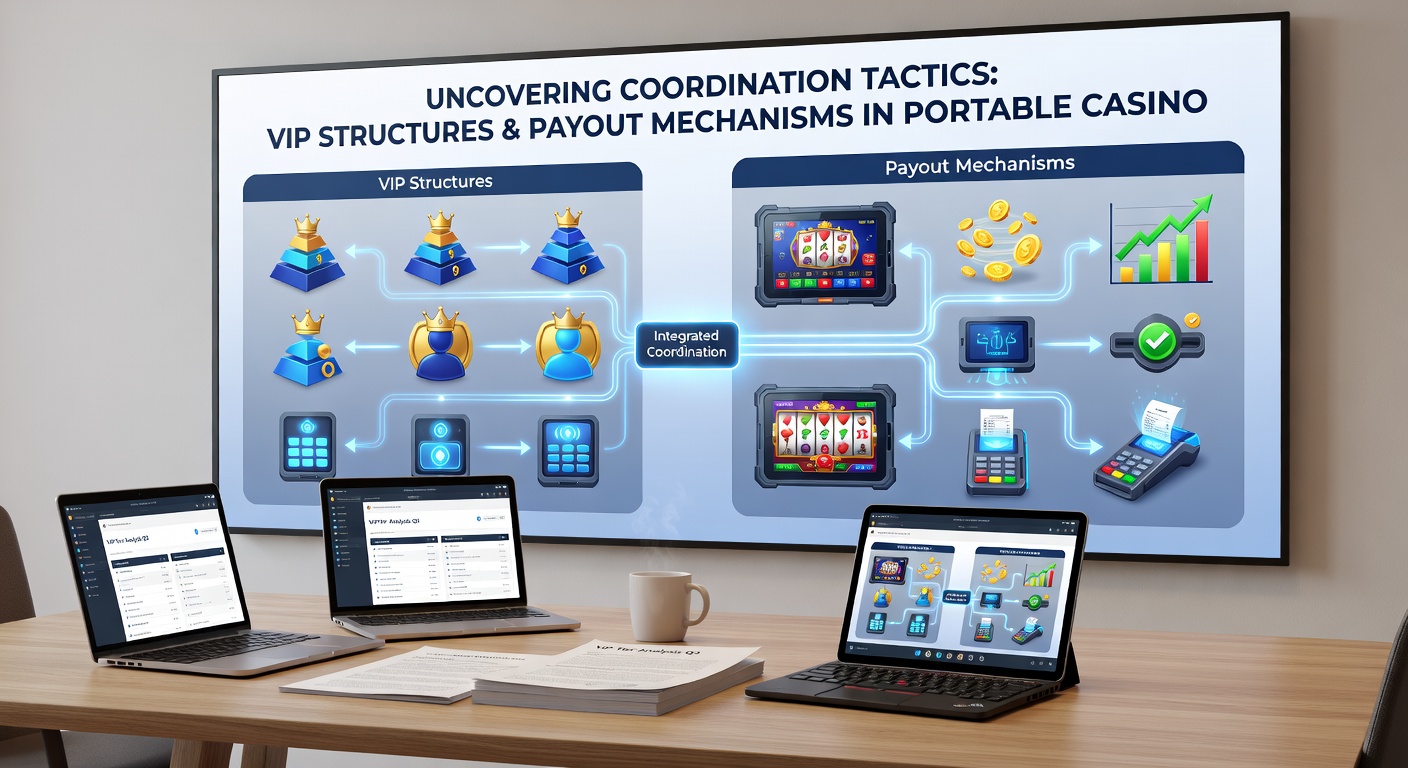
Reports compiled in May 2026 highlighted how several major applications introduced API connections between their VIP management modules and payment processors, enabling near-instant status updates that affect cashout queues. Industry analysts note these connections often incorporate machine learning models trained on historical player behavior to predict and preempt delays for high-value accounts.
Additional tactics include segmented support channels where VIP users access specialized payment teams, and these teams operate with pre-approved authority to override routine holds. Evidence from platform audits shows such segmentation correlates with improved retention rates among top-tier participants without altering core compliance protocols for all users.
Regulatory Context and Industry Adaptations
Regulatory frameworks in multiple jurisdictions require transparent disclosure of how tier benefits intersect with financial operations, and data from the Australian Communications and Media Authority indicates increased scrutiny on these intersections during 2026 licensing renewals. Operators respond by embedding compliance checkpoints within the coordination systems themselves, ensuring payout accelerations for VIPs still undergo required customer due diligence reviews.
Those monitoring market trends observe a rise in third-party verification services that integrate directly with mobile apps, providing tier-specific payout assurances while logging every interaction for oversight purposes. This approach allows platforms to demonstrate fairness across different user segments during periodic regulatory examinations.
Conclusion
Coordination between VIP structures and payout mechanisms in portable applications continues to evolve through technological linkages and data-driven protocols that balance user experience with operational controls. Available evidence points to sustained investment in these integrations as operators navigate expanding regulatory expectations across regions. Future developments will likely build on existing frameworks that already connect loyalty metrics directly to financial processing pathways.