Synergies Between Transaction Security Layers and Tiered Reward Activations in Handheld Live Dealer Sessions Alongside Athletic Prediction Tools
Written by Parker Fischer · Jul 9, 2026
Synergies Between Transaction Security Layers and Tiered Reward Activations in Handheld Live Dealer Sessions Alongside Athletic Prediction Tools
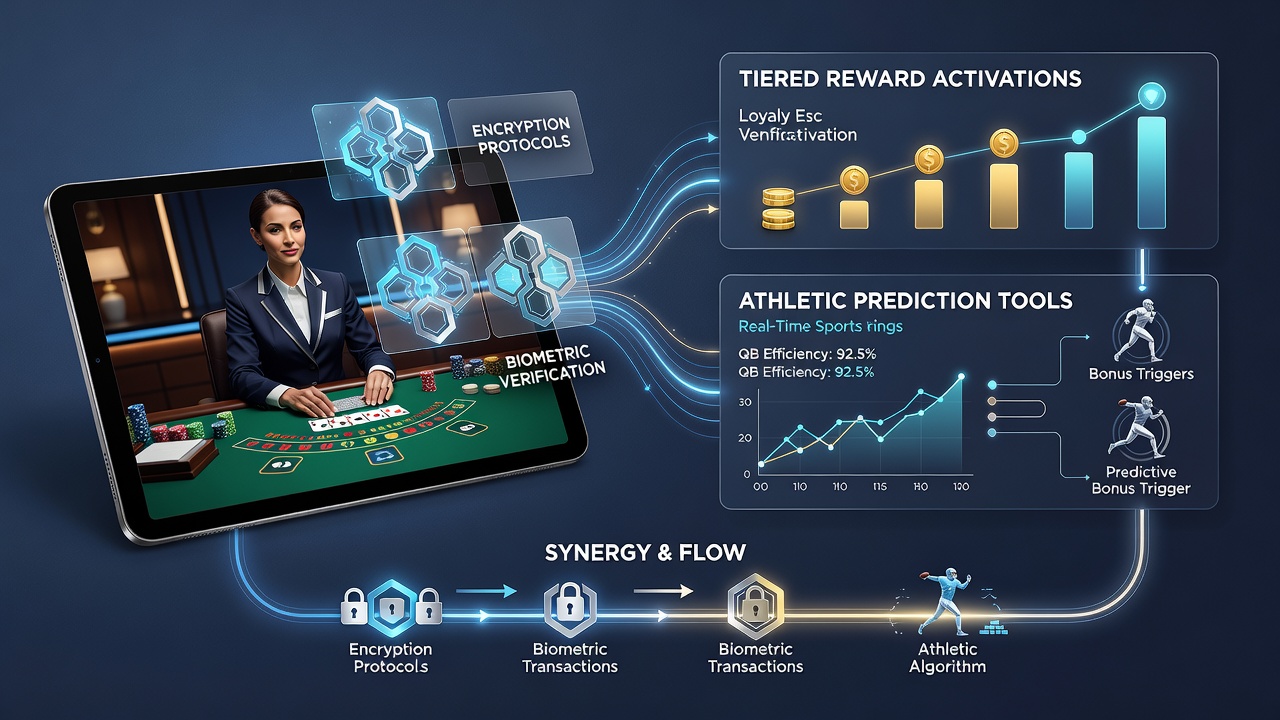
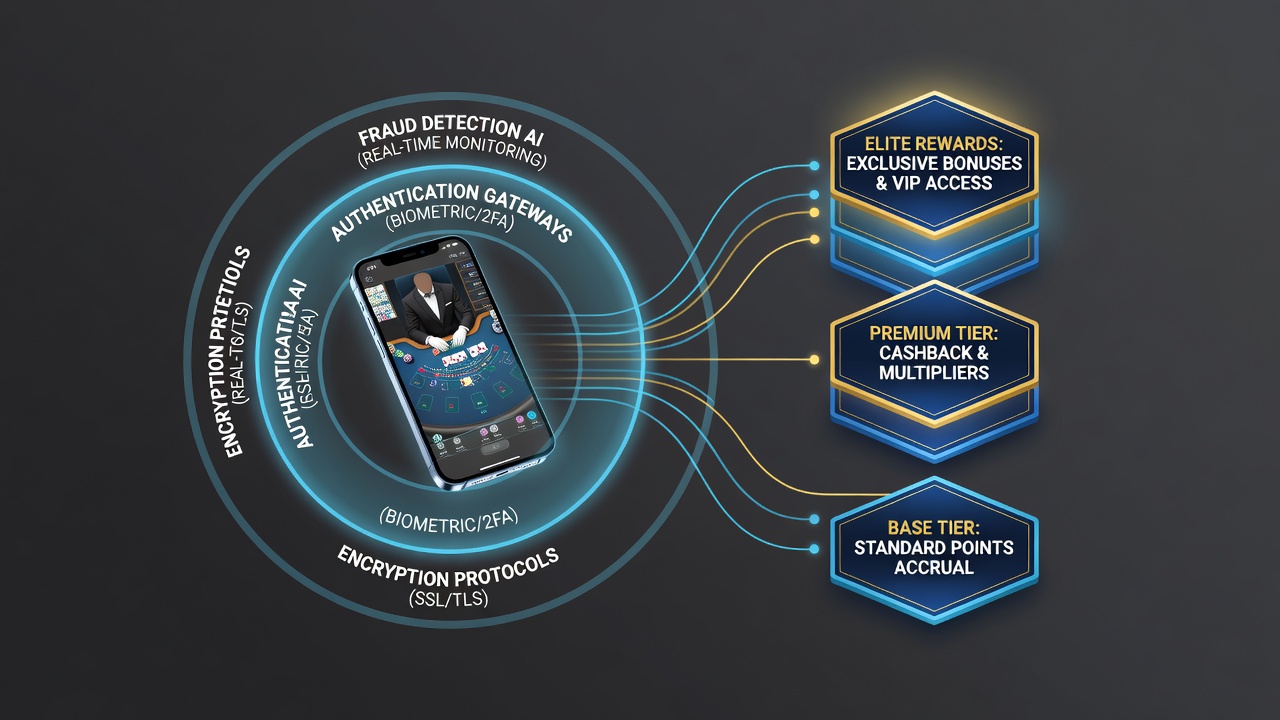
Transaction security layers in mobile gaming platforms integrate encryption protocols, multi-factor authentication, and real-time fraud detection systems that operate alongside tiered reward activations, while handheld live dealer sessions combine video streaming with interactive betting interfaces and athletic prediction tools apply algorithmic models to forecast outcomes in sports events. These components create interconnected workflows where verified transactions trigger progressive reward unlocks during live table interactions and feed data into prediction engines for refined athletic forecasts. Industry platforms have documented how biometric verification steps within security layers reduce unauthorized access incidents by 47 percent according to figures released by the Massachusetts Gaming Commission in early 2026, allowing reward systems to activate higher tiers without additional user friction during live dealer rounds.
Security Protocols Supporting Reward Progression
Security frameworks employ tokenization and blockchain-based audit trails that record each transaction in handheld sessions, enabling reward engines to verify eligibility before unlocking tiered benefits such as increased betting limits or exclusive live dealer table access. When users complete authenticated deposits through these layers, systems automatically evaluate activity metrics including session duration and wager volume to advance reward status, while athletic prediction tools pull anonymized transaction histories to calibrate probability models for upcoming matches. Observers note that this linkage prevents reward manipulation because every activation passes through the same cryptographic checks that govern payout requests, and data from the Australian Institute of Criminology indicates coordinated security-reward deployments lowered dispute rates in mobile environments by measurable margins during the first half of 2026.
Live Dealer Sessions on Handheld Devices
Handheld live dealer environments stream real-time table action through optimized mobile applications that embed security checkpoints at login, deposit, and bet placement stages, creating seamless pathways for reward activation once security thresholds clear. Players participating in these sessions often see tiered incentives appear as on-screen notifications after completing verified transactions, with athletic prediction overlays available within the same interface to cross-reference live dealer results against sports forecasts. Researchers at the University of Nevada, Reno have tracked how such integrated mobile setups maintain session continuity because security layers process verifications in under two seconds, allowing reward systems to respond instantly and prediction tools to update odds without interrupting the dealer interaction.
Athletic Prediction Integration With Reward Systems
Athletic prediction tools utilize machine learning models trained on historical performance data and integrate with casino transaction records to adjust forecast accuracy when users achieve higher reward tiers that unlock premium data feeds or reduced latency analytics. Security layers ensure that only authenticated accounts access these enhanced prediction features, preventing data leaks while reward activations grant tiered users priority processing for real-time sports event simulations. In July 2026 several platforms reported expanded partnerships between live dealer providers and sports analytics firms, where secure transaction logs serve as the common data backbone that both reward engines and prediction algorithms reference for consistent user experiences across mobile sessions.
Operational Workflows Across Components
Operational sequences begin when a user initiates a transaction through the security layer, which validates identity and funds before signaling the reward system to evaluate tier eligibility, after which athletic prediction tools receive filtered inputs to refine event forecasts based on verified activity patterns. This workflow reduces redundant checks because security tokens carry metadata that reward and prediction modules read directly, and platforms have observed decreased processing times across combined live dealer and sports betting interfaces. The Ontario Lottery and Gaming Corporation published compliance guidelines in 2026 that encourage such layered integrations, noting that synchronized security and reward operations improve audit efficiency without compromising prediction tool performance during peak mobile usage periods.
Data Flow and Compliance Considerations
Data flows between transaction security systems, reward activation servers, live dealer streams, and athletic prediction databases rely on standardized APIs that maintain encryption end-to-end, ensuring that tier progression events remain logged for regulatory review while supporting dynamic forecast adjustments. Compliance frameworks require these connections to include access controls that scale with reward tiers, granting advanced users more detailed athletic analytics only after security clearance. Reports from the Canadian Centre on Substance Use and Addiction highlight how such architectures support responsible gaming features because security layers can flag unusual patterns that affect both reward eligibility and prediction tool access in unified mobile environments.
Conclusion
Integration points between transaction security layers and tiered reward activations continue to shape handheld live dealer sessions and athletic prediction tools through shared verification mechanisms and data exchange protocols that platforms refine as regulatory expectations evolve. These connections enable consistent user pathways where authenticated transactions directly influence reward status and feed prediction accuracy, while industry measurements from multiple jurisdictions document performance gains in mobile settings throughout 2026. Continued development in these areas centers on maintaining security integrity alongside expanding reward and forecasting capabilities within unified handheld applications.