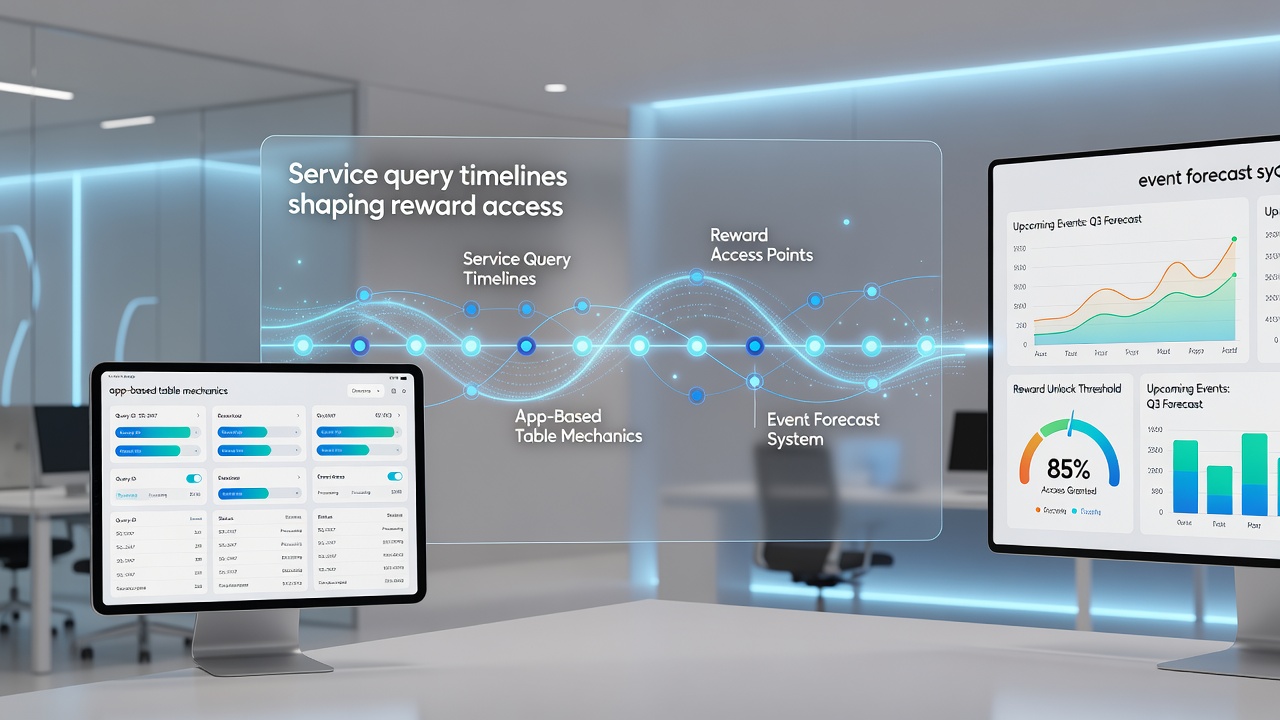
Service Query Timelines Shaping Reward Access Across App-Based Table Mechanics and Event Forecast Systems
Written by Paul Fischer · Jun 11, 2026
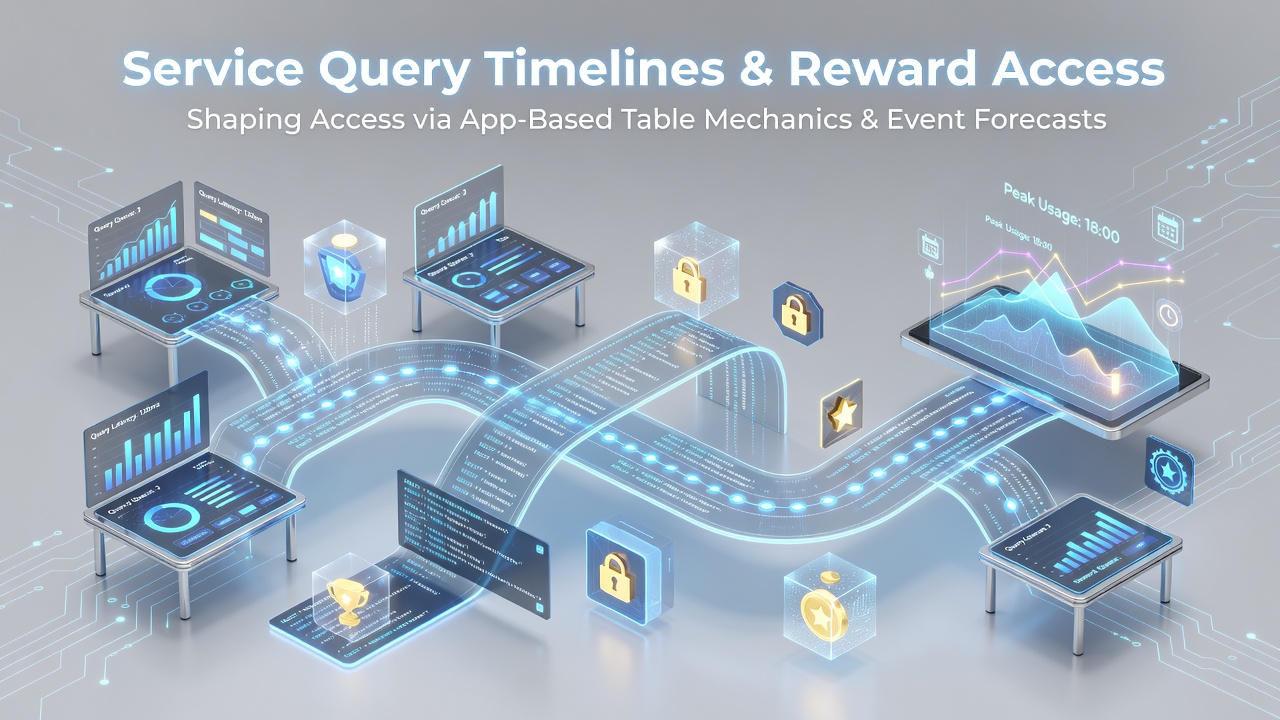
Service Query Timelines Shaping Reward Access Across App-Based Table Mechanics and Event Forecast Systems
Service query timelines refer to the measurable intervals between user inquiries and platform responses in digital environments, and these intervals directly influence reward distribution in applications centered on table mechanics and event forecasting. Platforms integrate automated tracking systems that log each query from initiation through resolution, creating data points that determine eligibility for incentives tied to user engagement levels. Researchers have documented how shorter response windows correlate with faster reward unlocks in virtual blackjack sessions and prediction markets for athletic events. Platform operators structure these timelines using tiered protocols where initial automated replies occur within seconds while complex issues route to specialized agents. Data from industry reports indicates that queries resolved under fifteen minutes often trigger immediate access to bonus features in table game modules, whereas delays beyond thirty minutes shift users into secondary review queues that postpone reward activation. This structure applies equally to event forecast tools where timely support confirms wager adjustments before event deadlines close.Mechanics of Query Processing in Table Game Applications
Table mechanics in mobile applications rely on real-time data synchronization between user devices and central servers, and service queries interrupt these flows when users report discrepancies in card dealing sequences or chip tracking. Observers note that response timelines shape reward access because unresolved queries block progression markers that unlock loyalty points or multiplier bonuses. Studies from academic institutions show platforms employing machine learning models to predict query complexity and assign priority levels accordingly. Users submit queries through in-app chat or ticket systems, and the platform timestamps each entry to calculate performance metrics. When resolution occurs promptly, systems automatically credit rewards such as extended play sessions or enhanced table limits. Yet extended timelines require manual intervention that suspends reward pipelines until verification completes. In June 2026 several platforms updated their backend protocols to reduce average handling times by integrating predictive text responses drawn from historical query databases.Integration with Event Forecast Systems
Event forecast systems generate probabilistic models for outcomes in sports and competitive events, and service queries arise when users seek clarification on data inputs or calculation methods. These queries follow similar timeline structures that affect reward pathways because confirmed forecasts feed into personalized incentive programs. Figures reveal that queries addressed within the first hour maintain user session continuity, preserving accumulated prediction accuracy scores that translate into reward tiers. Platforms connect forecast accuracy with reward eligibility through shared databases where query resolution timestamps serve as validation markers. A delay in response can shift a user from active to pending status, pausing access to forecast-based bonuses until the issue clears. Those who manage query volumes through dedicated support channels report more consistent reward flows compared to standard routing methods.