Mapping Instant Payout Pathways With Tiered Loyalty Frameworks in Smartphone-Driven Slot and Sports Prediction Ecosystems
Written by Parker Fischer · May 19, 2026

Mapping Instant Payout Pathways With Tiered Loyalty Frameworks in Smartphone-Driven Slot and Sports Prediction Ecosystems
Smartphone applications that combine slot machines with sports prediction tools have developed systems where instant payout options connect directly to loyalty structures, and these frameworks reward users based on activity levels while processing withdrawals through automated channels. Data from industry tracking services shows that mobile platforms handling both slots and prediction markets processed billions in transactions during 2025, with integration of real-time verification tools accelerating settlement times for eligible accounts.
Smartphone Ecosystems Driving Slot and Prediction Activity
Operators build mobile environments where users access slot reels and live sports odds through unified interfaces, and these systems log every spin or wager to calculate loyalty points that unlock faster payout routes. In May 2026 several platforms introduced API connections between gaming engines and banking partners that reduced average cashout windows from hours to minutes for higher-tier members, while basic accounts continued using standard processing queues that still met regulatory timelines.
Research from the European Gaming and Betting Association indicates that smartphone penetration among active slot and prediction users exceeded 85 percent in key markets by early 2026, and this shift pushed developers to embed loyalty dashboards that display tier status alongside pending withdrawal estimates. The connection between play volume and payout speed creates measurable pathways because algorithms assign priority based on accumulated points rather than fixed schedules.
Instant Payout Mechanisms and Their Technical Mapping
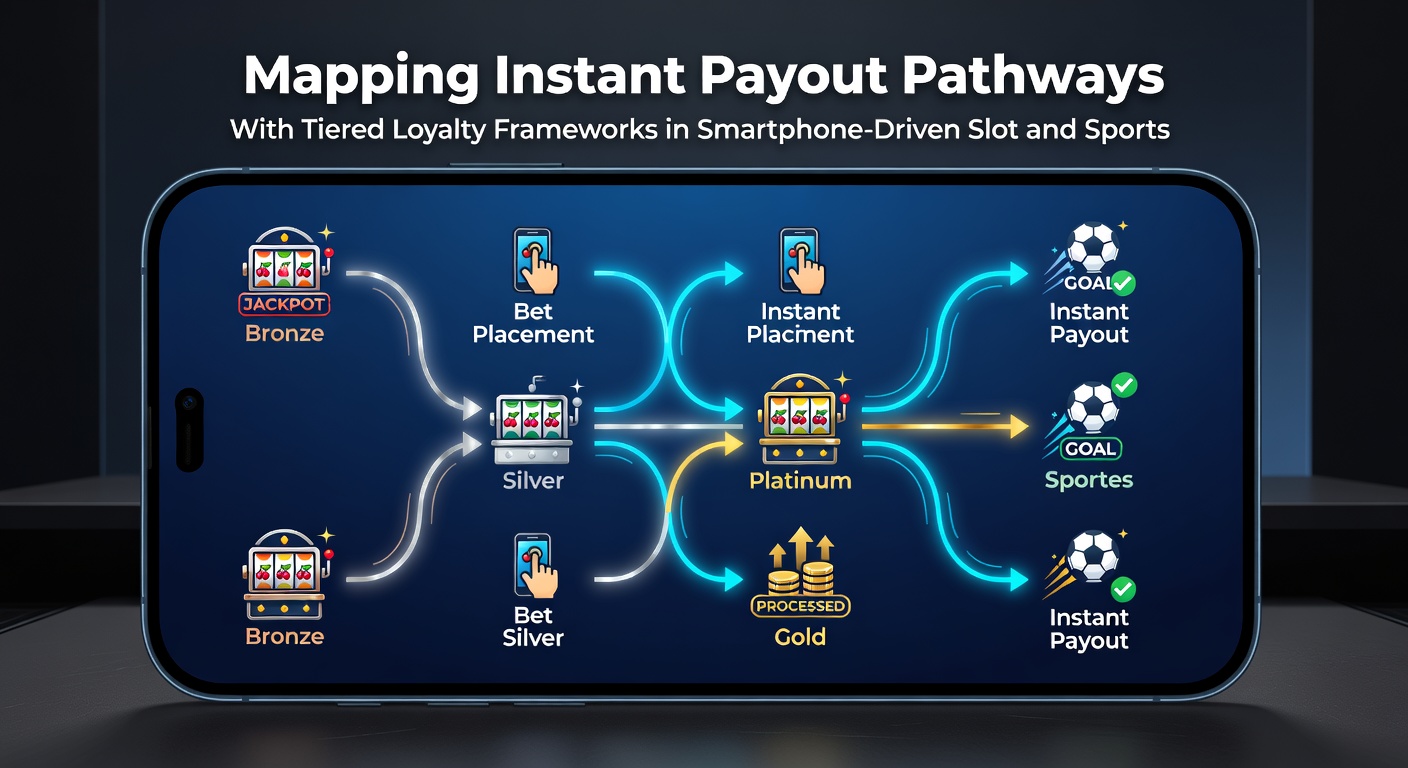
Instant payout pathways rely on pre-verified payment rails such as digital wallets and instant bank transfers, and these routes activate once loyalty frameworks confirm that a user meets activity thresholds. Systems map each transaction by tagging it with tier metadata so that withdrawals bypass manual review queues when criteria like recent deposit history and point totals align with predefined rules.
Figures released through regulatory filings reveal that platforms adopting these mapped pathways saw a 40 percent reduction in support tickets related to delayed funds during the first quarter of 2026. Observers note that the technical backbone involves secure token exchanges between the gaming app and financial processors, which maintains compliance records while delivering funds without additional user prompts for higher-ranked participants.
Tiered Loyalty Structures and Reward Calibration
Loyalty frameworks divide users into progressive levels determined by metrics such as total wagers placed, frequency of sessions, and retention streaks, and each tier corresponds to specific payout advantages including fee waivers and priority processing. Lower tiers receive standard instant options limited to smaller amounts, whereas elevated tiers gain access to larger single-transaction limits and same-minute confirmations.
One study compiled by researchers at the University of Nevada Reno tracked loyalty program data across multiple operators and found that tier advancement correlated with a 25 percent increase in average session length among mobile slot and sports prediction users. These structures operate through backend scoring engines that update in real time, allowing the system to adjust payout eligibility as points accumulate during active play periods.
Integration Patterns Across Slots and Sports Predictions
Slot gameplay contributes steady point accrual through spin volume while sports prediction markets add variable rewards tied to event outcomes and bet sizing, and operators merge these streams into single loyalty profiles that feed the payout mapping engine. This combined tracking allows a user who switches between slots and prediction features to maintain consistent tier progression without separate accounts.
According to data compiled by the American Gaming Association, integrated mobile ecosystems reported that cross-category play increased loyalty point velocity by an average of 30 percent compared with single-product users in 2025. The mapping process uses decision trees that evaluate both historical behavior and current tier to route each withdrawal request through the fastest compliant channel available.
Regulatory Context and Compliance Requirements
Regulatory bodies in multiple jurisdictions require that instant payout systems include identity verification layers and responsible play controls, and these mandates apply equally to loyalty-enhanced pathways. Platforms must maintain audit trails that document how tier status influences transaction speed without violating anti-money laundering thresholds or self-exclusion protocols.
Reports filed with state gaming commissions in the United States during the spring of 2026 documented that operators using mapped frameworks achieved compliance scores above 95 percent on transaction monitoring metrics. Such outcomes occur because automated rulesets embed regulatory checks into the loyalty scoring process itself rather than applying them as separate post-withdrawal steps.
Conclusion
Smartphone-driven platforms continue to refine connections between instant payout options and tiered loyalty programs in slot and sports prediction environments, and these developments rely on data-driven mapping that aligns user activity with processing priority. Industry measurements collected through mid-2026 confirm that such integrations support higher transaction volumes while meeting established regulatory standards across different regions.