Interface Adaptations Drive Better Perk Alignment in Mobile Reel Mechanics and Sports Forecast Platforms
Written by Nils Schmid · Aug 23, 2026
Interface Adaptations Drive Better Perk Alignment in Mobile Reel Mechanics and Sports Forecast Platforms
Developers working on mobile gaming platforms have introduced targeted interface adaptations that improve how perks align across reel-based games and sports forecast tools, and these changes address the need for real-time data sharing between separate app modules while maintaining user navigation flow. According to reports from the American Gaming Association, such updates help synchronize reward structures in environments where players switch between digital reel mechanics and athletic outcome predictions within the same session.
Core Elements of Interface Design Updates
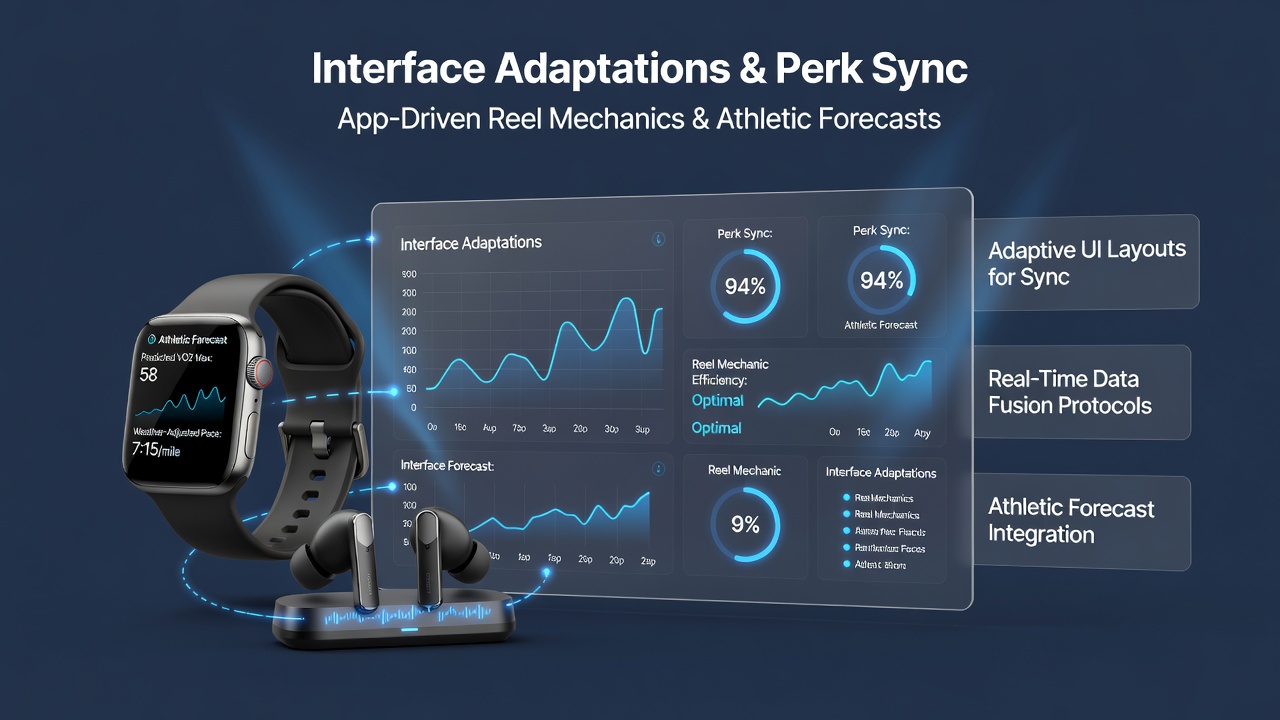
App builders focus on modular dashboard layouts that pull perk data from both reel simulations and forecast engines into a single view, which reduces the steps users take to activate bonuses earned in one area and apply them elsewhere. Observers note that dynamic menus adjust based on session activity, so a player completing a reel streak sees sports-related incentives appear without manual searching, and this integration relies on backend APIs that track activity across features in real time.
Researchers at various institutions have examined how color-coded indicators and collapsible panels guide attention to available perks, whereas earlier static designs often buried such information in separate tabs. Data from industry analyses show these visual cues correlate with higher rates of perk redemption when users engage multiple game types in sequence.
Technical Mechanisms Behind Synchronization
Adaptive algorithms now monitor user patterns in reel mechanics, such as spin frequency and bonus triggers, then feed that information into the sports forecast section to suggest aligned promotions, and the process occurs through encrypted data streams that comply with regional privacy standards. In August 2026 several platforms rolled out beta versions of these systems, allowing operators to test cross-feature notifications that activate automatically when specific thresholds are met in either module.
Take one development team that integrated gesture-based controls, allowing quick toggles between reel views and prediction interfaces without losing progress on active perks, while similar approaches appear in other markets where mobile penetration exceeds desktop usage. Studies from academic sources indicate that reduced friction in navigation contributes to sustained engagement across combined ecosystems.

Additional refinements include voice-command options for perk activation, which integrate with existing accessibility settings and pull data from both reel and forecast databases simultaneously. Those who have reviewed platform logs report fewer instances of mismatched rewards after these features launched, particularly in apps serving users across multiple time zones.
Observed Patterns in User Interaction
Industry figures reveal that platforms employing layered interface elements experience more consistent perk usage when reel mechanics feed directly into athletic forecast rewards, and the reverse also holds true for players who start with sports predictions before moving to slots. Canadian gaming associations have documented similar trends in regulatory filings, noting that synchronized systems require ongoing calibration to match local compliance rules around promotional offers.
One case involved an operator that adjusted its interface to highlight shared loyalty tiers, resulting in documented increases in cross-feature activity according to internal metrics shared with oversight bodies. Yet developers continue to refine latency issues that arise when high-volume periods strain the synchronization servers, since delays can interrupt the intended seamless experience.
Future Directions for Platform Integration
Emerging standards from trade groups emphasize the role of scalable UI frameworks that accommodate both reel mechanics and forecast tools without requiring separate logins or data resets. Research papers from European institutions highlight how predictive analytics embedded in the interface anticipate which perks users might value next, drawing from historical play across both categories.
Platforms that adopt these adaptations often share anonymized performance data with research partners to refine algorithms further, and this collaborative approach appears in multiple jurisdictions where mobile gaming regulations continue to evolve. Observers note that the focus remains on maintaining equity in how rewards distribute across different player segments.
Conclusion
Interface adaptations continue to shape how perks synchronize within app-driven reel mechanics and athletic forecast systems, supported by technical updates and regulatory awareness across regions. Data from multiple sources, including the American Gaming Association and academic reviews, indicate ongoing investment in these areas as platforms seek efficient ways to connect user activities without compromising performance or compliance. As of August 2026 the pattern shows incremental refinements rather than wholesale redesigns, with emphasis on practical integration that respects existing infrastructure.