Inside the Mechanics of Loyalty Program Integration with Customer Service in Handheld Casino and Wagering Applications
Written by Parker Fischer · Jul 28, 2026
Inside the Mechanics of Loyalty Program Integration with Customer Service in Handheld Casino and Wagering Applications
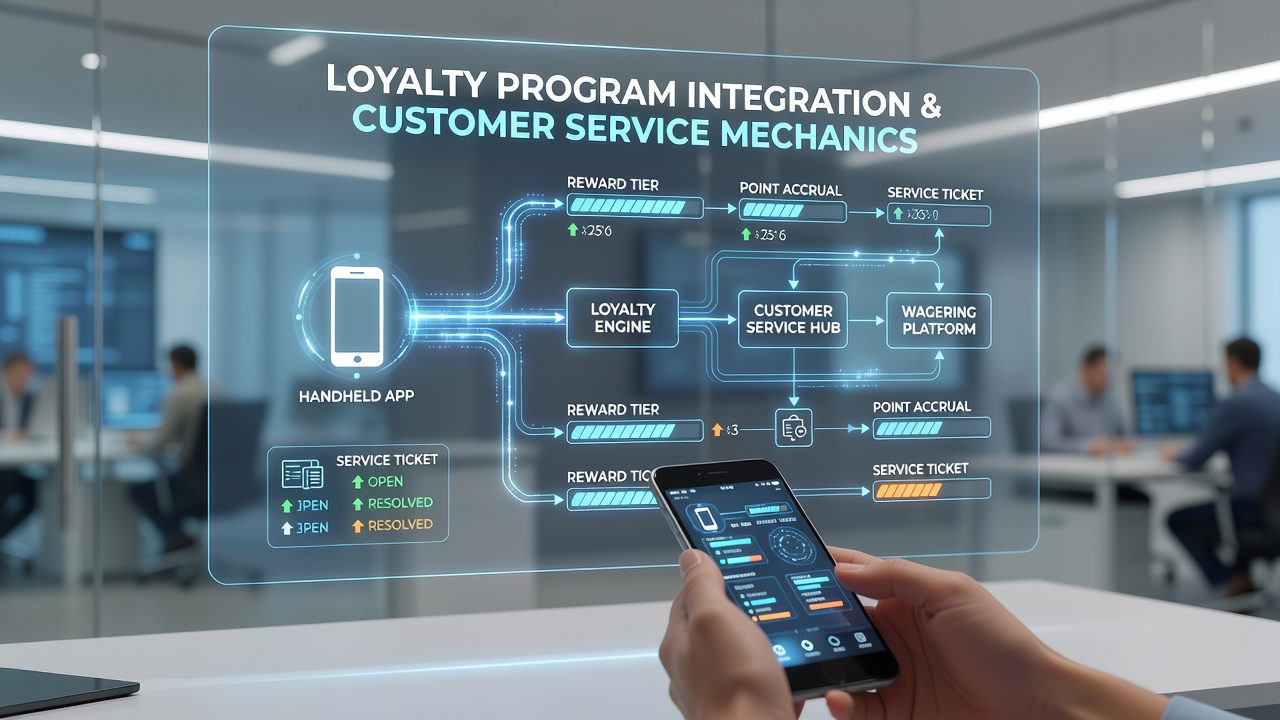
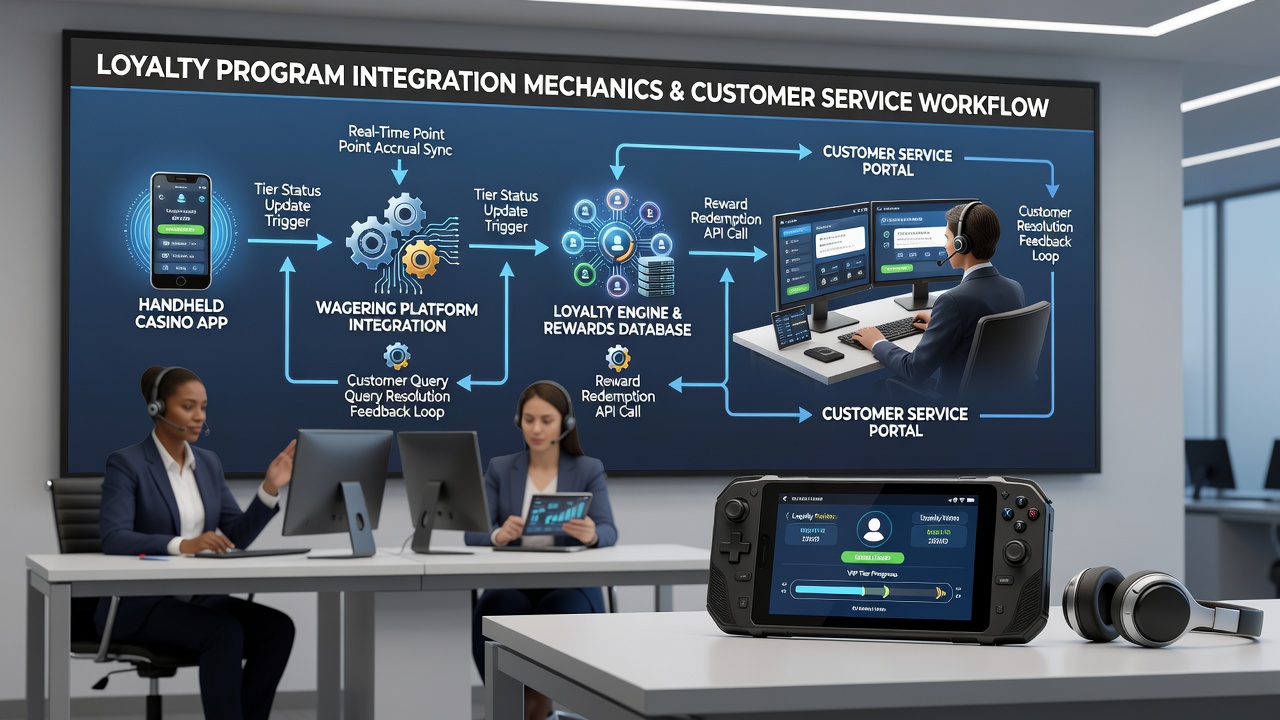
Handheld casino and wagering applications connect loyalty programs directly to customer service systems through shared databases and real-time APIs that update player profiles instantly when support interactions occur. Developers build these connections so that service agents can access a user's tier status, points balance, and redemption history without switching between separate tools, which reduces response times and allows for immediate adjustments during live chats or calls.
Data Synchronization Between Systems
Applications pull loyalty data from centralized servers while customer service platforms push updates back into the same repositories, creating a closed loop where every ticket resolution or promotional query modifies the player's standing automatically. Research from industry reports shows that this synchronization relies on secure token exchanges and encrypted channels to prevent unauthorized access, and developers test these flows extensively before release to meet compliance standards across multiple jurisdictions.
Observers note that integration often occurs at the level of player relationship management modules, where algorithms flag high-value users for priority routing to specialized agents who hold authority to issue loyalty bonuses on the spot. In July 2026, several platform operators reported expanded testing of these modules following new guidelines from the Nevada Gaming Control Board that emphasize transparent record-keeping for all reward adjustments made during service sessions.
Agent Tools and Workflow Adjustments
Customer service dashboards display loyalty metrics alongside account details, giving agents visibility into pending rewards or tier progress so they can guide users through redemption steps without transferring them to another department. These tools incorporate scripted prompts that reference current promotions, ensuring consistency even when agents handle high volumes of inquiries about handheld betting features or slot mechanics.
Technical teams configure rules engines that trigger automatic loyalty point awards after successful resolution of certain query types, such as payment disputes or game malfunction reports, and the engines log each trigger for audit purposes. Data indicates that platforms using these engines see measurable reductions in repeat contacts because users receive compensation that aligns with their established loyalty level.
Regulatory and Security Frameworks
Regulators require that loyalty adjustments made through customer service channels follow documented approval chains, and handheld applications must retain logs that link each change to both the agent identity and the underlying player activity. According to information published by the Victorian Commission for Gambling and Liquor Regulation, operators in that region must demonstrate audit trails that cover integration points between loyalty engines and support systems to maintain licensing.
Security protocols include role-based access controls that limit which service representatives can view or modify high-tier loyalty data, while encryption standards protect the transmission of sensitive details during app-based interactions. Industry associations have documented cases where platforms updated these controls after identifying gaps during routine compliance reviews.
Examples of Operational Implementation
One major operator integrated its loyalty system with an in-app messaging service so that users requesting assistance with sports wagers could receive instant tier-based free bets upon verification of their account status. The integration uses webhook notifications that alert agents when a loyalty milestone coincides with an open ticket, allowing proactive outreach rather than reactive fixes.
Another implementation routes complex loyalty disputes to agents equipped with decision trees that reference both the program's terms and the user's historical play patterns stored in the shared database. This approach keeps resolutions within the app environment and maintains continuity across multiple sessions.
Conclusion
Integration of loyalty programs with customer service in handheld casino and wagering applications centers on synchronized data flows, agent-facing tools, and compliance-driven logging that together support consistent user experiences. Platforms continue to refine these connections as regulatory expectations evolve, with technical standards and operational workflows adapting to new requirements while preserving the core linkage between rewards and service delivery.