Examining Intersections of Transaction Channels and Elite Membership Benefits Within App-Based Card Simulations and Contest Forecasts
Written by Jordan Franke · Jun 18, 2026
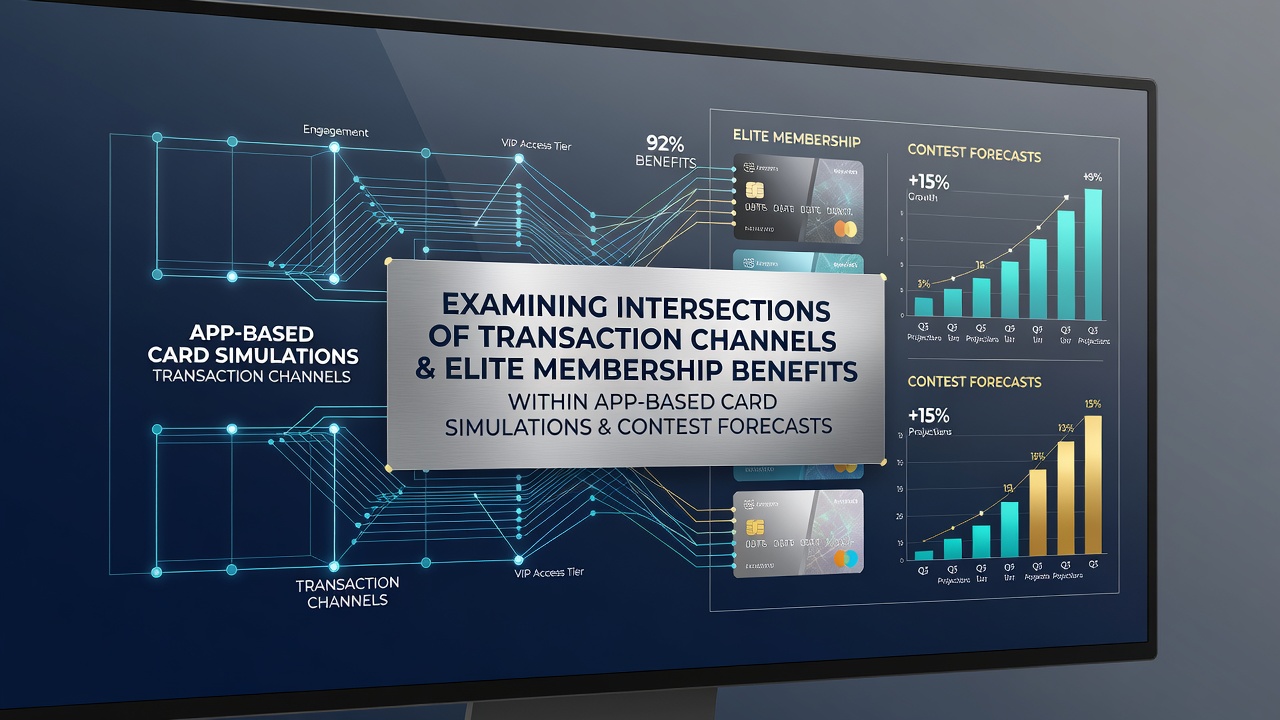
Examining Intersections of Transaction Channels and Elite Membership Benefits Within App-Based Card Simulations and Contest Forecasts
App-based platforms simulating card games alongside contest forecasts have developed layered payment systems that connect directly to membership structures, and observers note this linkage shapes how users access enhanced features across mobile environments. Transaction channels now include instant bank transfers, digital wallets, and cryptocurrency options that sync with tiered benefits such as accelerated reward points and priority support lines.
Core Transaction Channels in Simulated Environments
Payment methods within these applications range from traditional credit card processing to newer instant payout tools, while data from the American Gaming Association indicates that over 65 percent of mobile users in regulated markets completed at least one transaction via integrated wallets during the first half of 2026. These channels operate through secure APIs that verify eligibility for membership perks in real time, allowing seamless upgrades when deposit thresholds are met. Developers design the systems so that higher-volume payment activity automatically triggers notifications about available elite status advancements, creating a direct pipeline between spending and benefit activation.
Structure of Elite Membership Benefits
Elite tiers in card simulation and forecast apps typically grant reduced transaction fees, exclusive contest entry options, and personalized analytics dashboards, and researchers at the University of Las Vegas Nevada documented how these perks correlate with sustained user retention rates above 40 percent in tracked cohorts. Benefits often extend to faster dispute resolution for simulated table outcomes and early access to new forecast models, which platforms unlock only after users maintain consistent payment volumes over defined periods. The frameworks rely on algorithmic tracking that monitors both transaction frequency and total processed amounts to assign or renew status levels without manual intervention.
Intersections Between Payments and Membership Perks
Transaction channels intersect with elite benefits when payment confirmations feed directly into membership engines, enabling automatic perk allocation such as bonus simulation credits or waived forecast entry fees, and this integration has grown more sophisticated since platform updates rolled out around June 2026. Users who route larger deposits through preferred channels often receive tiered multipliers on reward points, which in turn unlock additional customization tools for card game simulations or advanced statistical overlays in contest forecasts. The synergy appears in how certain payment processors partner with app operators to offer co-branded loyalty cards that double as membership identifiers, streamlining verification steps during high-stakes simulated sessions.

One study revealed that platforms employing unified ledgers for payments and memberships reduced processing delays by nearly 30 percent compared with siloed systems, and analysts attribute the improvement to shared data pipelines that validate both financial activity and status eligibility simultaneously. Those who've examined user behavior patterns find that elite members frequently select payment methods offering built-in cashback that converts straight into contest forecast tokens, reinforcing the cycle between spending and reward access. Regulatory frameworks in multiple jurisdictions now require clear disclosure of how payment data influences membership calculations, prompting operators to publish detailed flowcharts that map each transaction type to corresponding benefit triggers.
Operational Examples Across Platforms
Take one major app developer that introduced a tiered wallet system in early 2026, where standard users faced standard processing times while elite members gained instant settlement on all simulated winnings, and figures from the Canadian Gaming Association show similar features appearing across competing services within months. Another case involved a forecast-focused platform that linked cryptocurrency deposits to automatic entry into premium prediction leagues, with eligibility verified through on-chain transaction records rather than separate membership portals. Observers note these implementations reduce friction points yet demand robust audit trails to maintain compliance with evolving standards around data privacy and financial reporting.
Emerging Patterns and Platform Adaptations
Platforms continue refining how transaction speed affects benefit delivery, and evidence suggests faster channels correlate with quicker perk unlocks in both card simulations and contest environments. Adaptive algorithms now scan payment histories to predict when users might qualify for status elevation, sending targeted prompts that highlight the specific deposit amounts needed. Industry reports from the Australian Interactive Gambling Council highlight that cross-border payment integrations have expanded elite membership reach into new regions, though operators must navigate varying tax treatments on reward conversions. The result is a landscape where payment choice directly influences the scope of available benefits, creating measurable differences in user progression timelines across similar applications.
Conclusion
Transaction channels and elite membership benefits remain tightly coupled within app-based card simulations and contest forecasts, with ongoing platform refinements ensuring that payment activity serves as both gateway and accelerator for higher-tier access. Data indicates sustained investment in unified systems that streamline these intersections, while regulatory oversight continues to shape disclosure requirements around data usage. The patterns observed through mid-2026 point toward further convergence between financial tools and loyalty frameworks as operators respond to user expectations and compliance mandates alike.