Device Sync Protocols Shaping Loyalty Perk Access in Handheld Dealer Sessions and Athletic Forecast Modules
Written by Nils Schmid · Jul 19, 2026
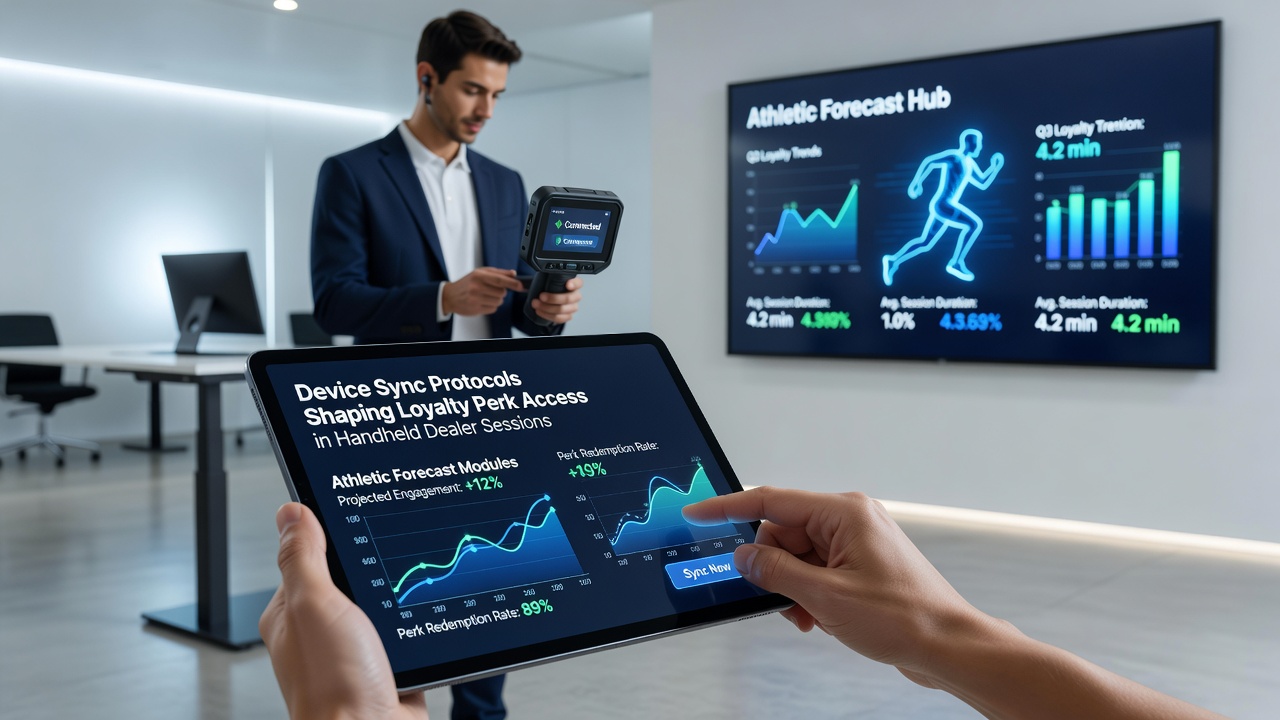
Device Sync Protocols Shaping Loyalty Perk Access in Handheld Dealer Sessions and Athletic Forecast Modules
Device sync protocols have become central to how loyalty programs operate across mobile casino platforms, particularly when users engage with handheld dealer sessions and athletic forecast modules. These protocols manage real-time data exchange between user devices and backend systems, ensuring that perk eligibility updates occur without manual intervention or delays. Research from industry reports shows that synchronization standards now handle everything from session authentication to reward tier verification in a single continuous stream. Operators rely on protocols built around secure token exchanges and cloud handshakes to maintain consistency. When a player joins a live dealer table on a smartphone, the protocol confirms device identity, pulls current loyalty status, and applies any active bonuses before the first card is dealt. The same mechanism extends to sports prediction tools where forecast accuracy and wager history feed directly into perk calculations.Core Mechanics of Device Synchronization
Multiple layers support these operations. Short-range wireless connections combine with persistent cloud sessions to keep handheld devices aligned with central servers. Data packets carry encrypted loyalty identifiers that refresh every few seconds during active play. This approach reduces discrepancies that once appeared when users switched between apps or network types.
Developers integrate these protocols into both dealer interface software and forecast analytics engines. A single sync event can update available free spins, cashback rates, and exclusive event access all at once. Figures from platform providers indicate that successful sync rates now exceed 99 percent in production environments during peak hours.
Loyalty Perk Delivery in Handheld Dealer Sessions
Live dealer environments place unique demands on sync systems. Real-time video streams must remain uninterrupted while loyalty data flows in parallel channels. Protocols achieve this by separating media packets from account metadata, allowing perks such as instant bet multipliers or priority seating to activate mid-session without visible lag.
One documented implementation at a North American operator showed that tiered rewards unlocked automatically once device sync confirmed a minimum play threshold. Players moved between standard and VIP tables seamlessly because the protocol maintained continuous verification. Similar systems now appear in multiple jurisdictions as of July 2026.
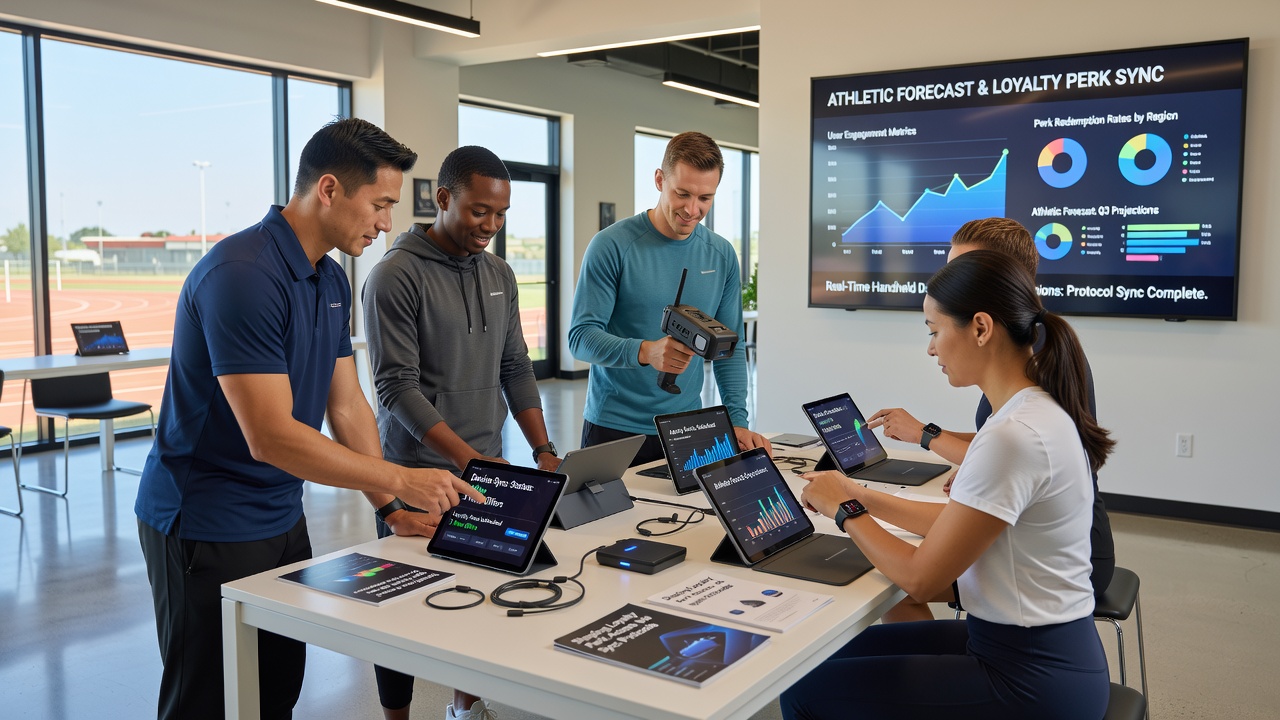
Extension into Athletic Forecast Modules
Athletic forecast platforms use the same synchronization backbone to link prediction accuracy with loyalty progression. When users submit forecasts through mobile apps, sync protocols record outcomes and adjust perk eligibility in near real time. This connection allows operators to grant bonus credits or enhanced odds based on cumulative forecast performance rather than isolated wagers.
According to data shared by the American Gaming Association, platforms employing unified sync protocols report higher retention among users who participate in both dealer sessions and sports modules. The protocols enable cross-activity tracking that was previously fragmented across separate systems.
Regulatory and Security Considerations
Regulators in several regions require audit trails for every sync transaction that affects financial outcomes or perk distribution. Canadian provincial gaming authorities have issued guidelines emphasizing encrypted token lifecycles and device fingerprinting as minimum standards. These measures help prevent unauthorized access while preserving the speed users expect from mobile interfaces.
Security frameworks also address potential desync scenarios. When a connection drops mid-session, protocols queue pending updates and apply them upon reconnection. This design maintains fairness across both dealer and forecast environments.
Implementation Trends Observed in Mid-2026
By July 2026 several major platforms completed upgrades to next-generation sync standards that incorporate edge computing nodes. These nodes process loyalty calculations closer to the user device, cutting latency by measurable margins during high-traffic periods. Athletic forecast modules benefit particularly because prediction results can trigger immediate perk adjustments without returning to central servers.
Industry organizations such as the European Gaming and Betting Association have published comparative studies showing that operators adopting these enhanced protocols achieve more consistent perk delivery across device types. The studies track metrics including session duration and reward redemption frequency.
Conclusion
Device sync protocols continue to define how loyalty benefits reach players engaged in handheld dealer sessions and athletic forecast modules. Their ability to maintain continuous verification while supporting diverse game types has led to broader adoption across regulated markets. As platforms refine these systems further, the connection between device activity and reward access grows tighter, supported by documented performance data from operators and oversight bodies.