Coordinating Funding Mechanisms with Status-Based Advantages Across Compact Athletic Wagering Tools and Simulated Dealer Interactions
Written by Parker Fischer · Jul 23, 2026
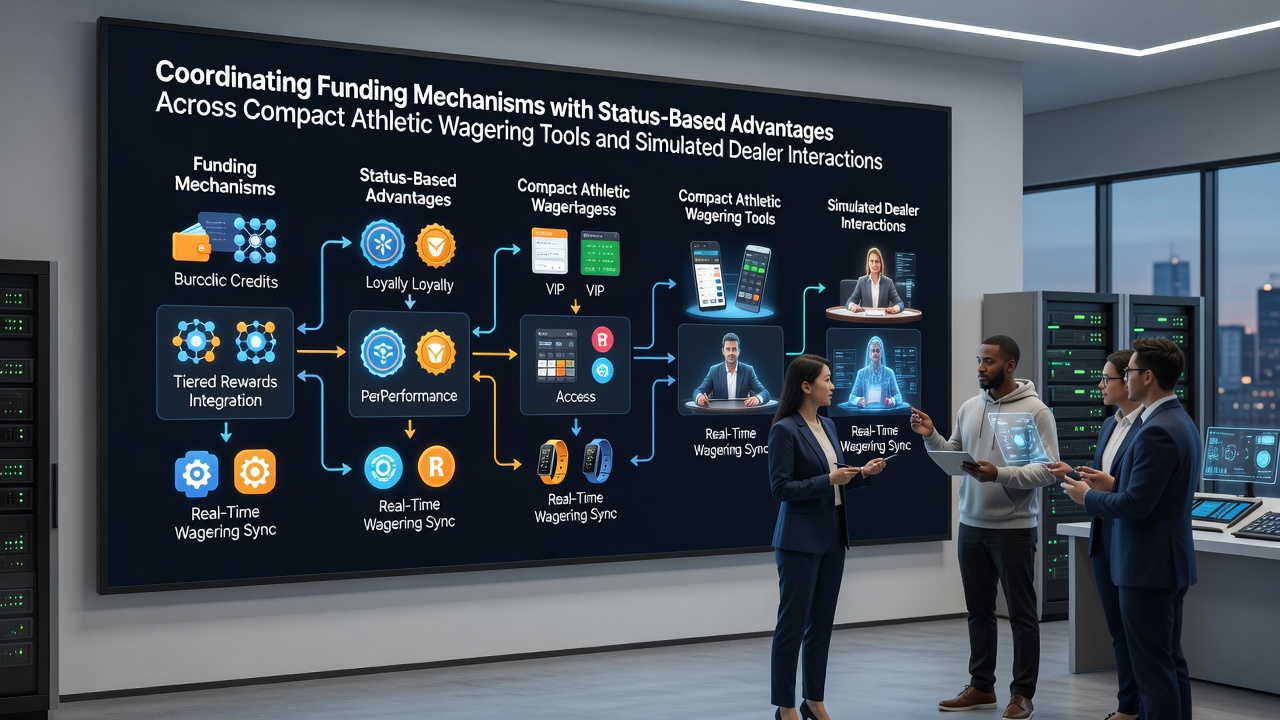
Coordinating Funding Mechanisms with Status-Based Advantages Across Compact Athletic Wagering Tools and Simulated Dealer Interactions
Payment processing systems connect with loyalty frameworks in mobile sports betting applications and live dealer platforms, creating pathways where deposit activity directly influences tier progression and unlocks processing advantages. Compact athletic wagering tools embed these connections through backend APIs that track transaction volumes in real time, while simulated dealer interactions rely on the same data streams to adjust credit limits and reward multipliers during table sessions.
Payment Integration Patterns in Mobile Environments
Funding mechanisms operate through synchronized ledgers that update status levels immediately after each deposit or withdrawal completes, and this synchronization extends across both sports prediction interfaces and virtual blackjack or roulette tables. Data from platform operators shows that users who maintain consistent funding patterns receive expedited verification steps and higher transaction ceilings once they reach mid-tier designations. Observers note that these linkages reduce friction points, because the system pulls status data from a shared database rather than requiring separate checks for each product category.
Status Tiers and Transaction Benefits
Entry-level accounts process standard deposits through common methods like cards and e-wallets, yet higher tiers activate additional options such as instant bank transfers or cryptocurrency channels with reduced fees. Status-based advantages appear in withdrawal speed as well, where premium designations route requests to priority queues that settle within hours instead of days. Research indicates that these tiered structures emerged from operational needs to manage risk while retaining active participants, and the same logic applies equally to athletic wagering tools and dealer-simulated environments.
Compact applications display tier progress bars alongside funding menus, allowing users to see how upcoming deposits will affect their standing before confirming transactions. Live dealer platforms mirror this visibility through in-game overlays that highlight current benefits during play, creating a unified experience across different game types.
Cross-Product Coordination Examples
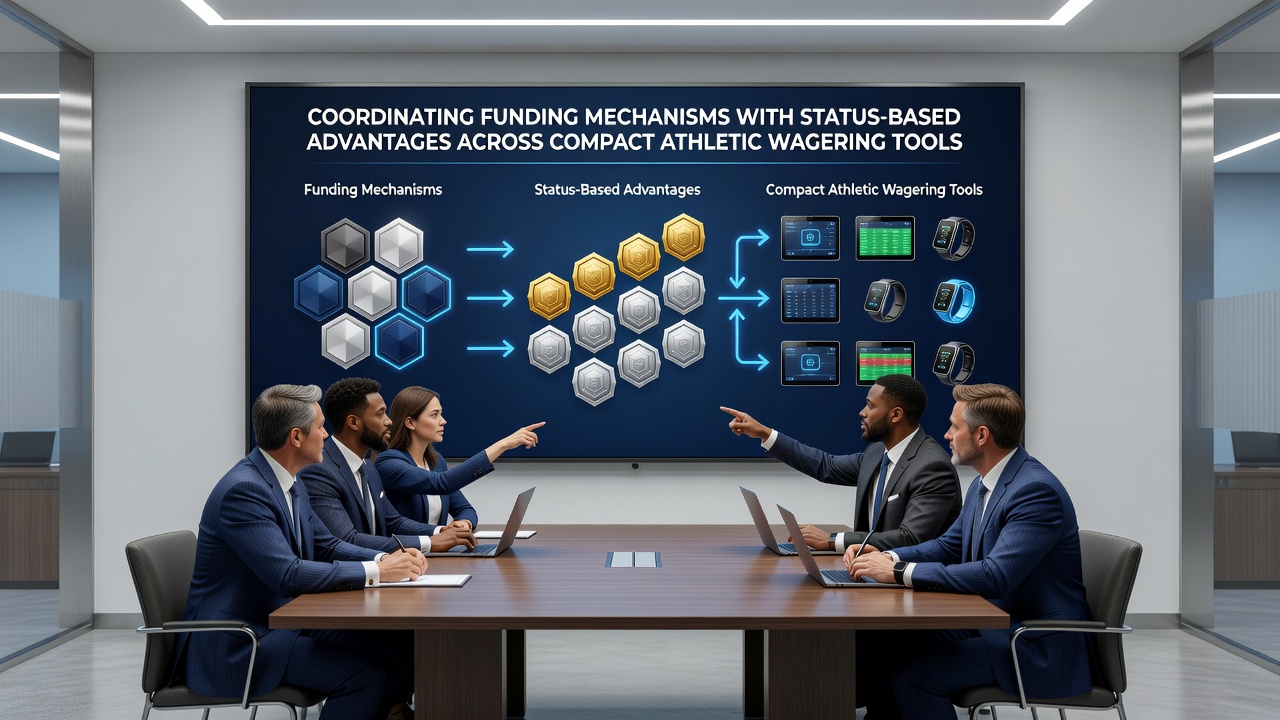
One documented approach involves shared reward pools where activity in sports betting contributes to status points that also apply during live dealer sessions, and the reverse holds true as well. Platform records reveal that coordinated systems increased average session length across both categories by linking deposit bonuses to multi-product usage. As of July 2026, several major operators completed updates to their unified ledgers, enabling real-time status reflection between athletic forecasting modules and simulated table environments without separate logins.
Those who examined transaction logs across multiple jurisdictions found that regulatory frameworks in various regions now require clear disclosure of how funding activity affects status calculations. The American Gaming Association published findings on these coordination methods, highlighting technical standards that maintain separation between payment rails and promotional engines while still allowing data exchange for tier updates. Industry reports from the same period note similar patterns emerging in Canadian markets, where provincial regulators track integration practices through periodic compliance filings.
Technical Architecture Behind the Coordination
Backend systems employ event-driven architectures that trigger status recalculations after every qualifying transaction, and these triggers feed directly into both the sports betting engine and the live dealer credit manager. Developers design the compact tools to cache status information locally for offline resilience, while simulated dealer interfaces pull fresh data on each table entry to reflect any recent funding changes. This dual approach ensures consistency without overloading network requests during peak usage periods.
Security protocols wrap these connections with encryption layers that protect both financial details and loyalty records, and audits confirm that status advantages remain isolated from game outcome algorithms. Observers point out that such isolation satisfies fairness requirements while still permitting the operational efficiencies gained from unified player profiles.
Future Adjustments in Funding and Status Systems
Platform providers continue refining the balance between transaction speed and status verification, particularly as new payment methods enter the market. Data shows that coordinated frameworks already handle increased volumes from mobile-first users who shift between sports wagers and dealer interactions within single sessions. Additional refinements scheduled for later in 2026 aim to incorporate predictive analytics that forecast tier eligibility based on projected funding patterns, further streamlining access to associated advantages.
Conclusion
Coordinated funding mechanisms and status-based advantages now function as interconnected components within compact athletic wagering tools and simulated dealer platforms, driven by shared data systems that respond to user activity across categories. These arrangements reflect operational priorities documented in industry reports and regulatory filings, with ongoing technical updates maintaining alignment between payment processing and loyalty progression as of July 2026.