Biometric Security Advances Redefining Access Controls in Electronic Gaming Platforms and Sports Prediction Markets
Written by Jordan Franke · May 31, 2026
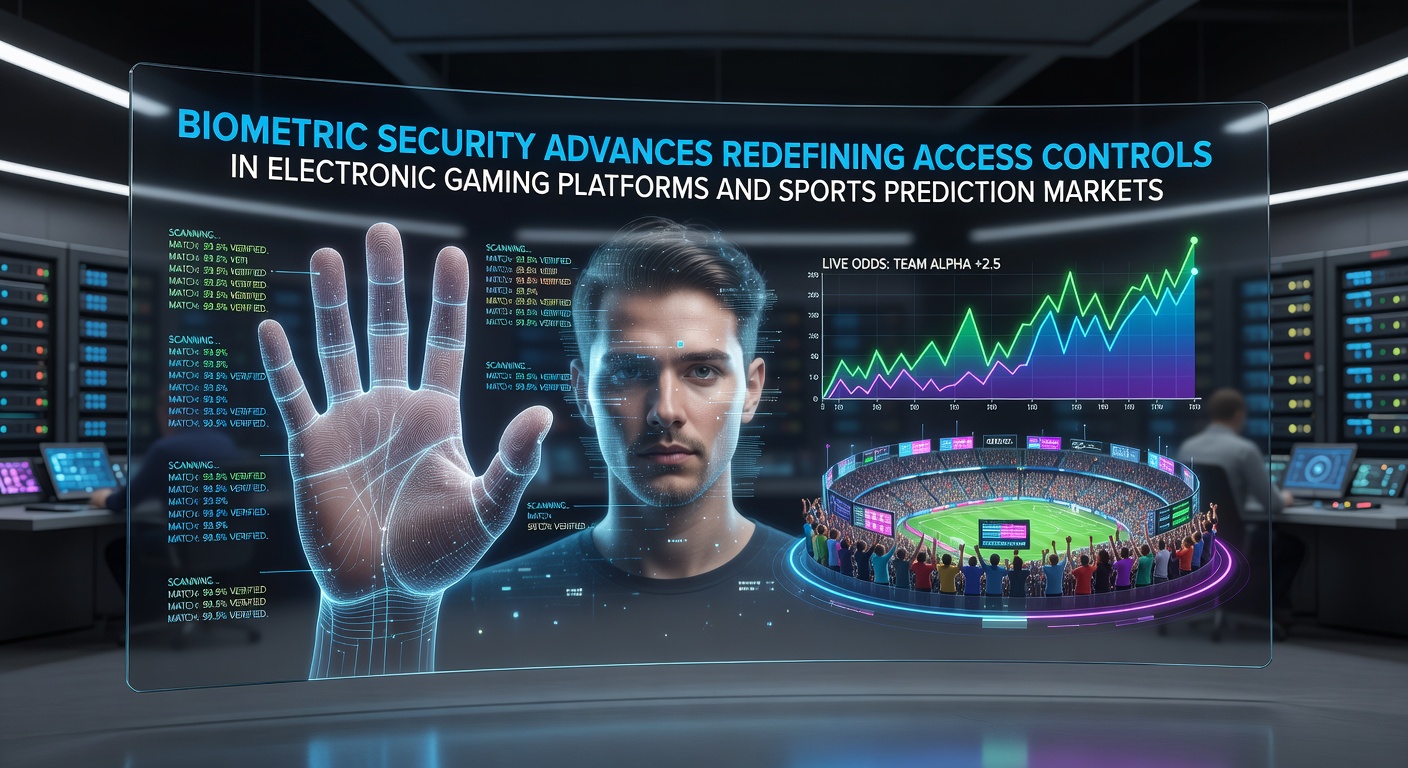
Biometric Security Advances Redefining Access Controls in Electronic Gaming Platforms and Sports Prediction Markets
Electronic gaming platforms and sports prediction markets have shifted toward biometric authentication systems that replace traditional passwords and PINs with physiological or behavioral identifiers, and these changes have accelerated through 2026 as operators seek stronger verification methods amid growing user volumes.
Data from industry reports shows that fingerprint scanning and facial recognition now handle login processes on many mobile applications, while iris detection and voice pattern analysis appear in select desktop environments for high-value transactions.
Core Biometric Methods in Use
Operators integrate multiple biometric layers that combine hardware sensors with software algorithms to confirm user identity before granting access to accounts or processing wagers, and this approach reduces reliance on static credentials that can be shared or stolen. Fingerprint readers built into smartphones serve as the entry point for most users, yet facial recognition systems capture live images to match against stored templates and add a second verification step during account recovery or large payouts. Voice biometrics analyze speech patterns during customer support calls or automated verification prompts, while emerging behavioral systems track typing rhythms and swipe gestures to detect anomalies without requiring explicit user action.
Deployment Across Gaming Platforms
Electronic gaming platforms apply these tools at registration stages to verify age and identity against government databases, and they continue monitoring throughout sessions to flag potential account takeovers. Several major operators rolled out facial recognition updates in early 2026 that require periodic re-scans during extended play periods, and this practice aligns with efforts to maintain continuous authentication on shared devices. Take one platform that introduced multi-modal checks combining fingerprint and facial data, which cut unauthorized access incidents by measurable percentages according to internal security logs shared with regulators.
Effects on Sports Prediction Markets
Sports prediction markets rely on rapid transaction processing, so biometric gates now sit at deposit and withdrawal points to confirm that funds move only to verified owners. In May 2026, several prediction platforms adopted real-time facial matching for bets above certain thresholds, and this step integrates with existing know-your-customer processes without adding noticeable delays for most users. Observers note that these controls help platforms meet varying regional requirements while handling high transaction speeds that traditional methods sometimes slow down.
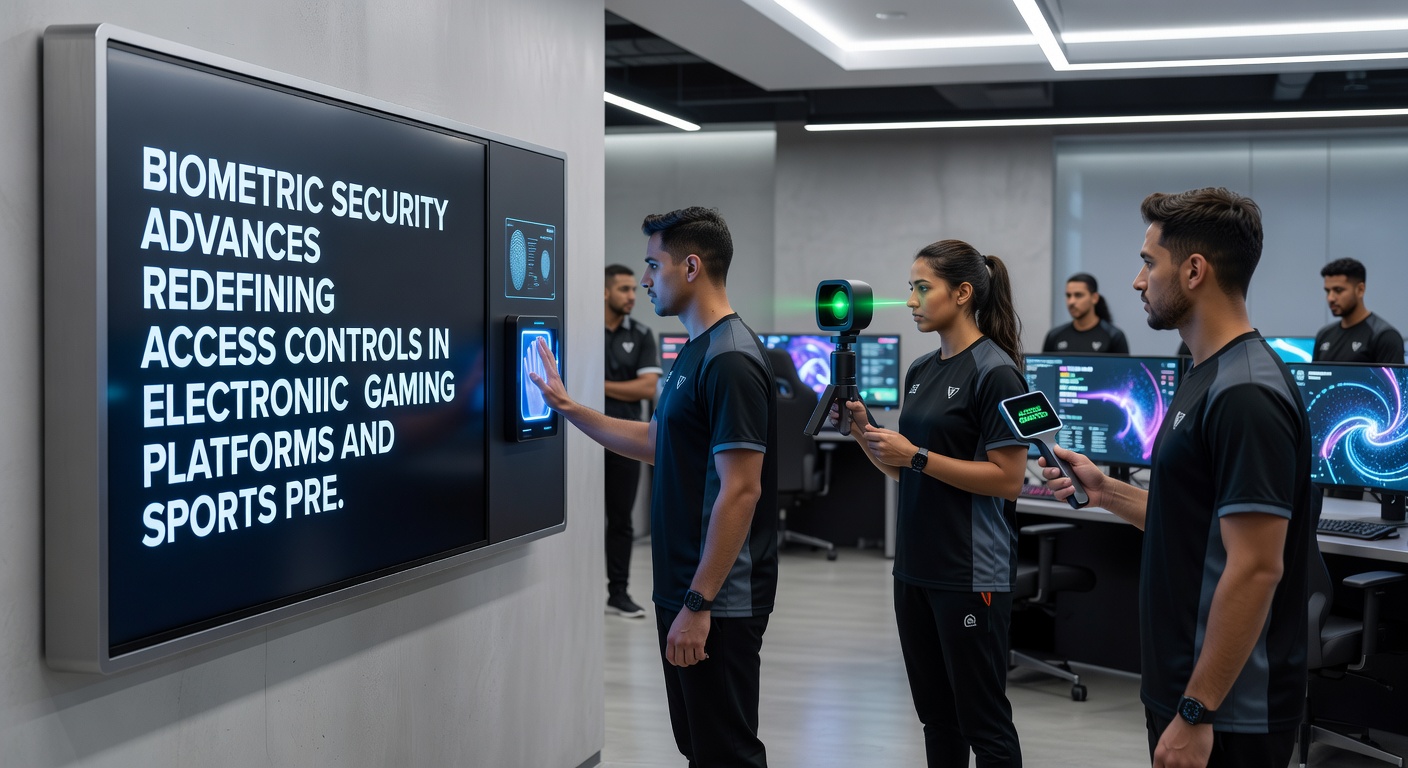
Research indicates that voice authentication during live event betting sessions has gained traction in markets where users place frequent small wagers, and the technology cross-checks spoken confirmation against enrolled samples to authorize changes in active bets.
Regulatory Context and Standards
Government agencies and standards bodies have issued updated guidelines that encourage risk-based adoption of biometrics rather than blanket mandates, and these frameworks appear in documents from bodies such as the National Institute of Standards and Technology in the United States alongside reports from Australian research institutions tracking gaming technology trends. In May 2026, Canadian provincial regulators referenced biometric performance metrics when reviewing operator licenses, and this focus reflects broader international alignment on accuracy thresholds for false acceptance and rejection rates. European data protection authorities have examined how biometric templates are stored, emphasizing encryption and deletion protocols that limit long-term retention of raw images.
Security Performance and Limitations
Studies from academic sources highlight that multi-factor biometric setups lower account compromise rates compared with password-only systems, yet they also document vulnerabilities such as spoofing attempts using high-resolution photos or synthetic voice samples. Operators counter these risks through liveness detection that requires users to blink or move their heads during scans, and ongoing algorithm improvements continue to raise the difficulty of successful bypasses. Data shows that platforms combining biometrics with device binding achieve higher overall security postures, and this layered model appears across both gaming and prediction environments.
Implementation Challenges Observed
Some user groups encounter higher rejection rates with certain biometric types due to variations in skin tone, lighting conditions, or physical changes over time, and operators respond by offering fallback options such as one-time codes sent to registered devices. Privacy considerations surface when platforms collect and process biometric data across borders, prompting adjustments to data handling practices that comply with multiple jurisdictions simultaneously. Those who've examined deployment logs find that transparent user education about data use correlates with higher acceptance rates for new verification flows.
Conclusion
Biometric advances continue to reshape access controls by providing identity confirmation methods that integrate directly into daily platform interactions, and the pattern extends across electronic gaming and sports prediction sectors as technology matures and regulatory expectations evolve. Figures reveal steady growth in adoption metrics through mid-2026, while technical refinements address earlier accuracy and usability concerns that limited earlier rollouts. The ball remains in the court of operators to balance security gains against privacy expectations as these systems scale further.