Behavioral Analytics Powering Tailored Interactions Across Combined Gaming and Betting Environments
Written by Paul Fischer · Jun 4, 2026
Behavioral Analytics Powering Tailored Interactions Across Combined Gaming and Betting Environments
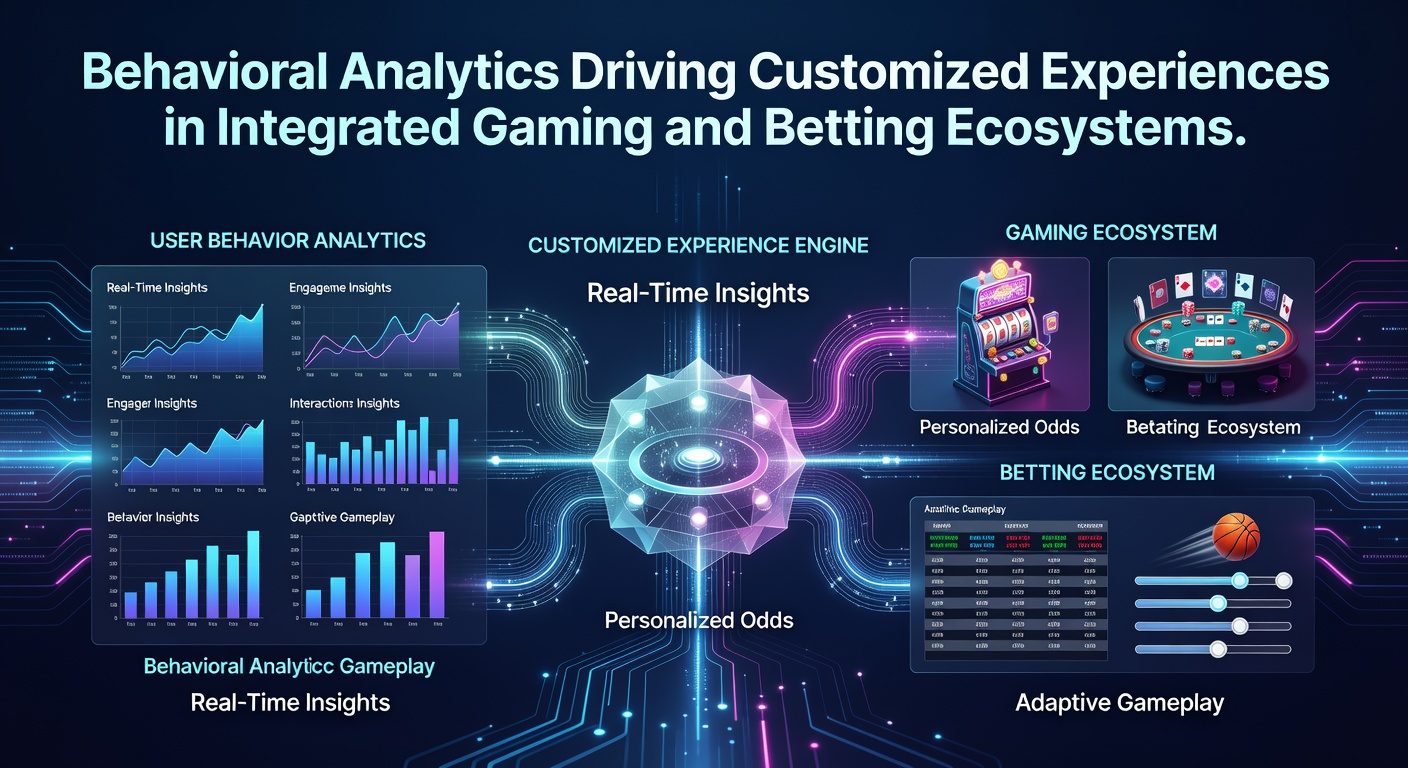
Integrated gaming and betting platforms have expanded their use of behavioral analytics to refine user experiences, and operators collect data points from slot sessions, table game choices, and sports wager patterns to build detailed profiles that inform real-time adjustments. This approach connects disparate activities into unified accounts where preferences observed in one area influence recommendations elsewhere, while machine learning models process inputs like session duration, bet sizing, and navigation habits to predict what content will hold attention next.
Data Collection Foundations in Unified Platforms
Systems gather information through continuous tracking that starts at login and extends across mobile and desktop interfaces, and researchers at institutions such as the University of Nevada, Las Vegas have documented how timestamped actions create sequences that reveal individual rhythms. For instance, frequent small wagers on live sports events paired with occasional high-variance slot spins signal a player who responds to volatility, which allows the platform to surface similar options without requiring separate prompts for each vertical.
Platforms also log device type, time-of-day patterns, and response rates to previous notifications, yet these elements combine into composite scores rather than isolated metrics. Observers note that when data streams merge from casino simulations and athletic forecasts, the resulting models gain accuracy because cross-category behaviors provide richer context than single-activity logs alone.
Personalization Mechanisms at Work
Once profiles form, algorithms trigger customized elements including bonus structures adjusted to historical spend velocity, game suggestions aligned with past win rates, and interface layouts that highlight preferred bet types. In June 2026, several major operators reported deployment of updated dashboards that display these adaptations instantly, and the changes appear in both the lobby view and in-play betting screens.
Take one operator who integrated its loyalty tiers with predictive scoring: players who shift between virtual blackjack and football accumulators receive targeted free spins or boosted odds calculated from their combined activity history. This coordination reduces generic marketing blasts and instead delivers offers timed to moments when engagement metrics show declining session momentum.
Technology Layers Supporting Real-Time Adaptation
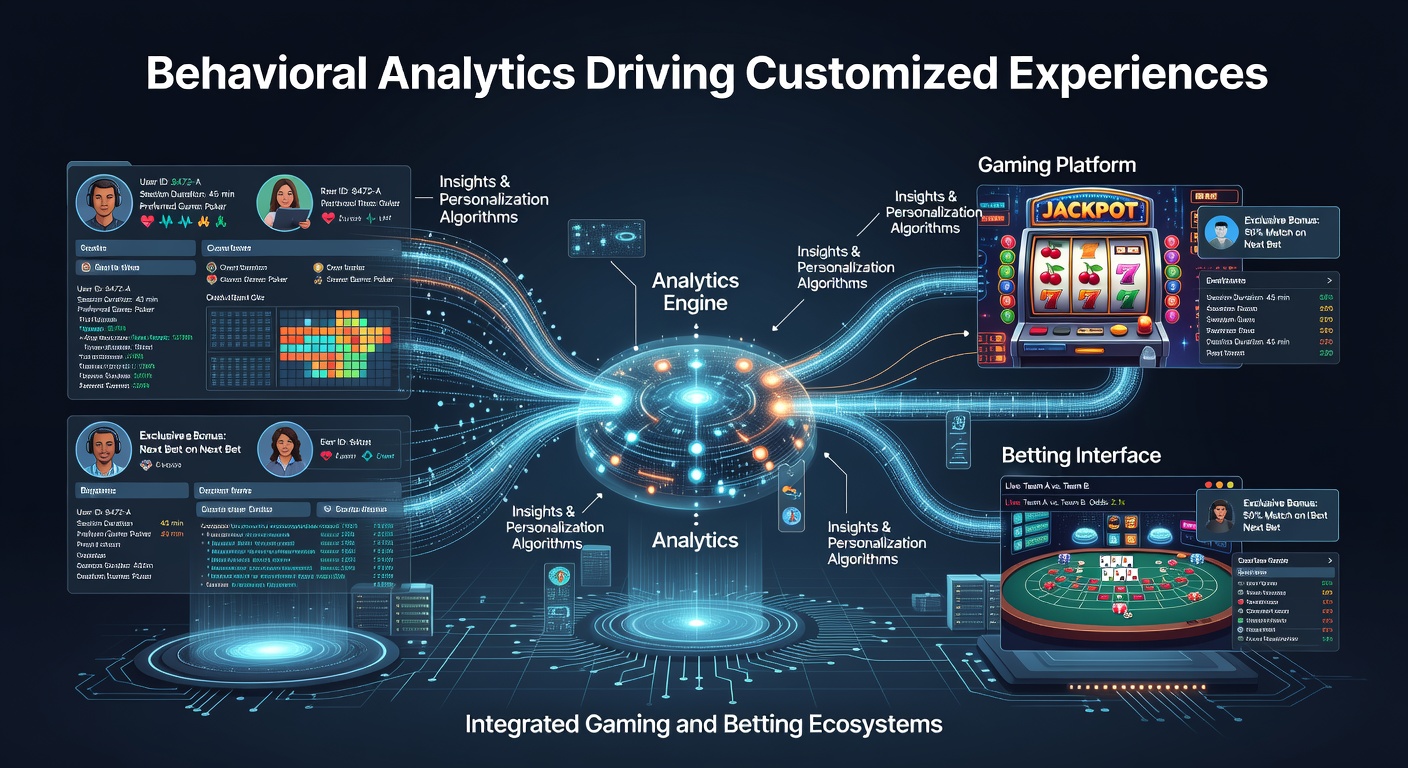
Cloud-based processing handles the volume of incoming events, while edge computing speeds up decisions for live betting scenarios where delays matter. Australian research coordinated through the Australasian Gaming Council has examined how these technical stacks maintain compliance with data-handling rules even as they scale across jurisdictions. The systems segment users into dynamic cohorts that update hourly rather than weekly, and this frequency supports finer adjustments such as altering minimum bet thresholds for players whose patterns indicate preference for rapid-fire decisions.
Security protocols wrap around the analytics pipelines to prevent unauthorized access, and biometric elements sometimes feed into identity verification steps that double as additional behavioral signals. When a player’s typical interaction cadence changes abruptly, the platform may prompt additional confirmation while simultaneously logging the deviation for model refinement.
Regulatory Context and Industry Standards
Regulators in multiple regions have begun reviewing how behavioral data informs promotional targeting, and the Nevada Gaming Control Board issued updated guidance in early 2026 that emphasizes transparency in how player information shapes offers. Industry associations including the European Gaming and Betting Association have published frameworks that encourage operators to separate personalization features from responsible gambling tools, ensuring users retain control over certain data uses.
These developments coincide with platform upgrades that let players view simplified summaries of their tracked behaviors, and the summaries appear alongside account statements without interrupting gameplay flows. Coordination between analytics teams and compliance departments has become standard practice because overlapping requirements now span multiple continents.
Implementation Examples Across Markets
One North American network that links sportsbooks with online casino content demonstrated measurable shifts in average session length after rolling out cohort-specific reward schedules, and the adjustments relied on prior months of aggregated movement data. Similar patterns appear in Asian markets where integrated apps combine mahjong-style tables with horse racing wagers, and the analytics surface culturally relevant promotions based on observed timing preferences.
Third-party vendors supply modular toolkits that smaller operators can embed without building full infrastructures, and these kits often include pre-trained models that adapt to local regulatory constraints. The result is broader availability of customized experiences that previously existed only on the largest platforms.
Conclusion
Behavioral analytics continue to evolve within integrated gaming adn betting ecosystems by linking activity across verticals into coherent personalization strategies. Data from sources such as the American Gaming Association and academic reviews coordinated through the University of Sydney show steady expansion of these capabilities through 2026. As technical and regulatory layers mature, the focus remains on delivering context-aware interactions that respect documented player patterns while operating within established compliance boundaries.