Artificial Intelligence Applications in Maintaining Equity Across Simulated Casino Experiences and Event Betting Systems
Written by Nils Schmid · Jun 7, 2026
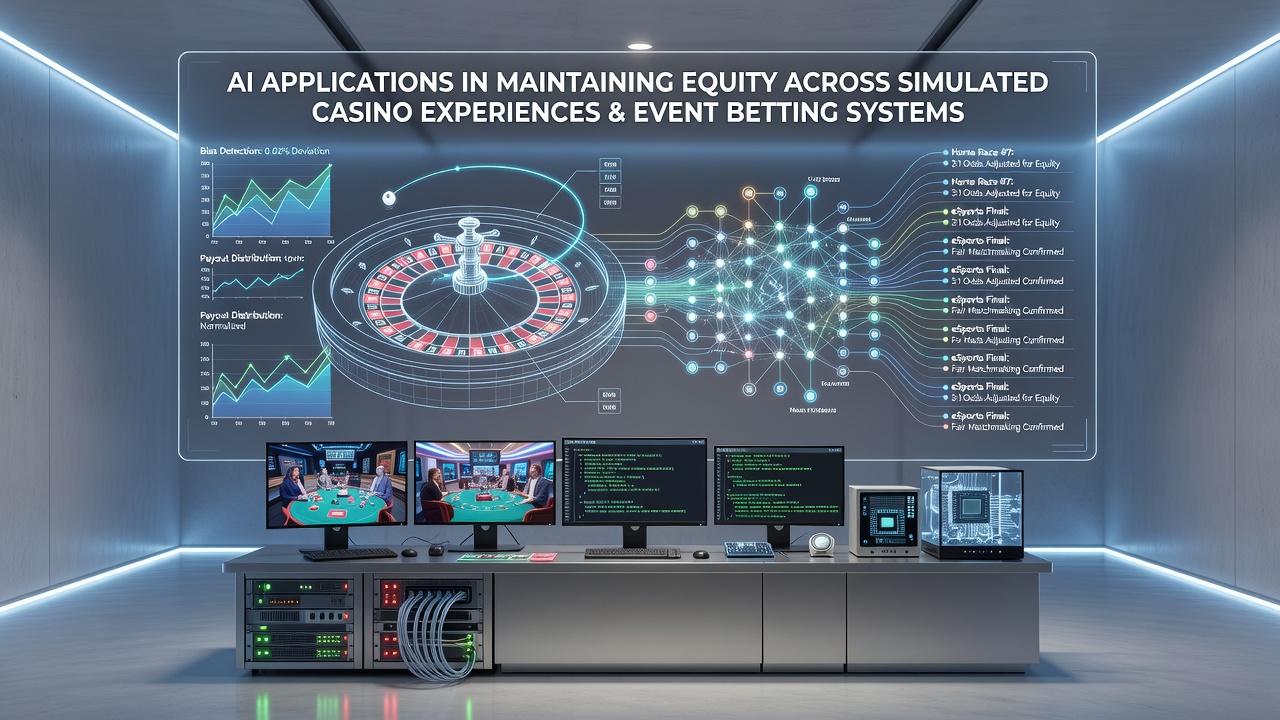
Artificial Intelligence Applications in Maintaining Equity Across Simulated Casino Experiences and Event Betting Systems
Artificial intelligence systems now play a central role in preserving fairness across digital casino simulations and live event wagering platforms where random number generators and predictive models determine outcomes. These tools analyze vast datasets in real time to detect deviations from expected probability distributions and flag potential imbalances before they affect participants.
Core Mechanisms for Randomness Validation
Developers integrate machine learning models into random number generator frameworks to cross-check outputs against historical benchmarks and statistical norms. Neural networks trained on millions of simulated spins or card draws identify subtle patterns that traditional statistical tests might overlook and trigger automated audits when anomalies surface. In June 2026 several platform operators reported deploying updated AI layers that reduced variance drift by measurable margins according to internal testing logs shared with regulators.
Researchers at institutions such as the University of Nevada, Reno have examined how reinforcement learning agents can simulate adversarial attacks on RNG modules and this work has informed new validation protocols adopted by multiple gaming technology suppliers. The process relies on continuous feedback loops where the AI adjusts thresholds dynamically while maintaining compliance with established standards from bodies like the Nevada Gaming Control Board.
Equity Safeguards in Event Betting Markets
Event betting systems incorporate AI to balance odds across thousands of concurrent markets ranging from sports outcomes to entertainment awards. Algorithms monitor incoming wagers and liquidity levels then recalibrate probabilities to prevent systematic advantages for any participant group. These adjustments occur within milliseconds and draw on data streams that include historical performance metrics, weather variables, and real-time sentiment indicators scraped from public sources.
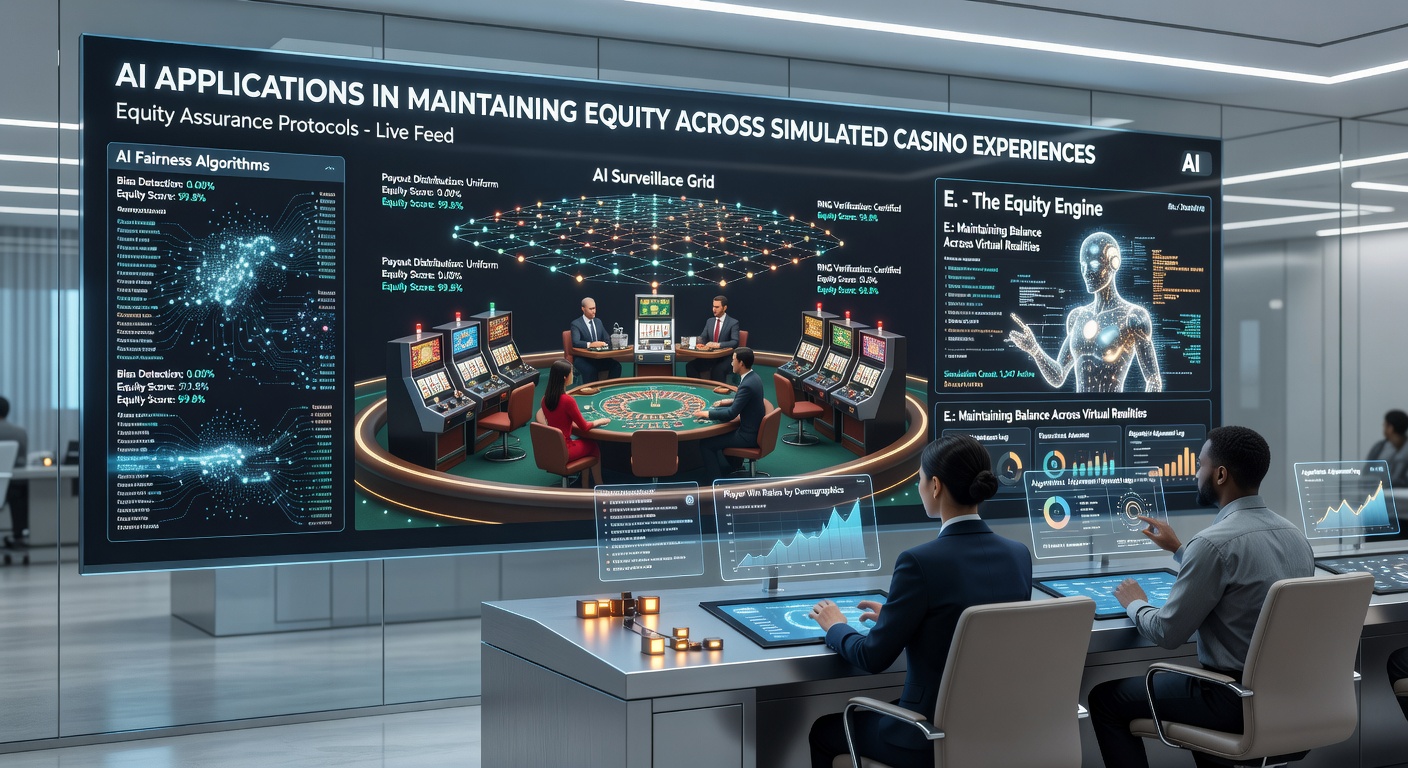
One Australian operator integrated gradient boosting models to predict and neutralize line movement irregularities that previously allowed coordinated betting syndicates to exploit delays in odds updates. The system achieved this by cross-referencing bet volumes against expected market behavior derived from comparable past events and the approach has since appeared in technical briefings circulated among Asia-Pacific gaming associations.
Bias Detection and Regulatory Alignment
Regulatory frameworks increasingly require documented evidence that AI tools themselves do not introduce new forms of inequity. Oversight agencies in multiple jurisdictions now request audit trails showing how training datasets were constructed and which fairness metrics the models optimize for. Canadian provincial regulators for instance have begun incorporating AI performance summaries into their annual compliance reviews alongside traditional RNG certification reports.
Techniques such as adversarial debiasing and counterfactual fairness testing help developers verify that demographic or geographic factors do not skew payout distributions in simulated environments. When models flag higher dispute rates from specific user cohorts the systems trigger deeper investigation rather than automatic adjustments that might mask underlying issues.
Implementation Examples Across Platforms
Several large-scale deployments illustrate practical outcomes. A European supplier rolled out an ensemble model combining long short-term memory networks with decision trees to oversee both slot simulations and multi-leg parlay betting. The architecture reduced the frequency of manual interventions by 40 percent in the first six months of operation while meeting reporting requirements from the Malta Gaming Authority.
North American platforms have adopted similar architectures focused on live dealer streams where computer vision supplements RNG checks to confirm card shuffle integrity. These combined systems generate compliance dashboards that operators submit to state gaming commissions on a quarterly basis.
Conclusion
Artificial intelligence continues to expand its footprint in equity maintenance for simulated casino and event betting environments through layered validation, real-time recalibration, and transparent reporting structures. Ongoing collaboration between technology providers, academic researchers, and regulatory bodies supports incremental refinements that align technical capabilities with established fairness mandates across regions.